
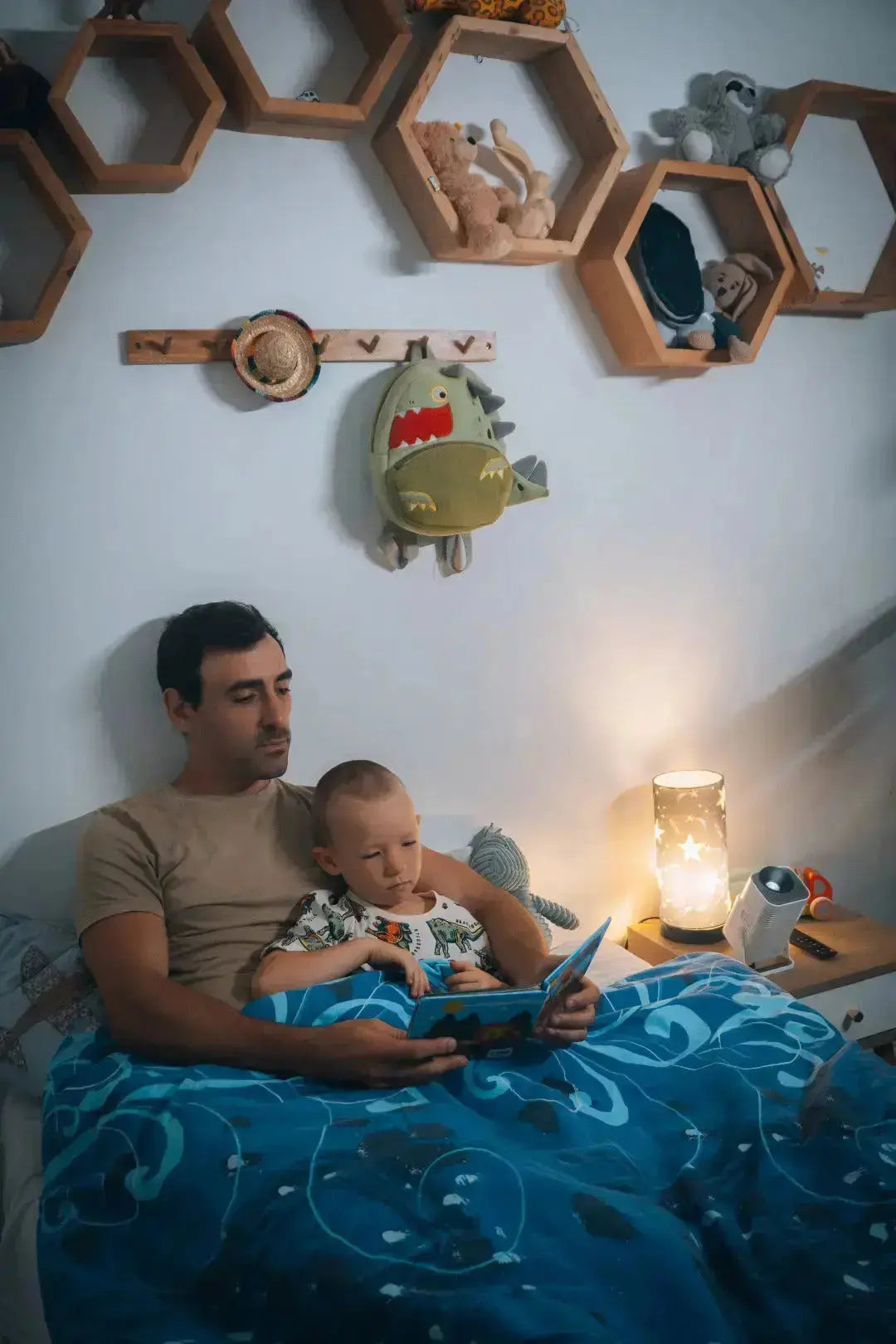
Phonics games for preschoolers can make early reading practice feel playful, calm, and easy to do at home. Preschoolers usually learn best in short bursts, especially when an activity feels light and interactive. The goal is not to turn home into a classroom. It is to help children enjoy sounds, notice letters, and build confidence through simple learning moments.
Quick Takeaway: The best phonics games for preschoolers are short, playful, and easy to repeat. Focus on listening for sounds, matching sounds to letters, and using simple activities your child can enjoy in 10 minutes or less.
Why phonics games for preschoolers work so well
Phonics games for preschoolers work because they make early reading skills feel active instead of pressured. During the preschool years, children are still building confidence with sounds, words, and letters. A playful activity often works better than a formal lesson.
These games can help children:
- hear sounds in words
- notice that letters stand for sounds
- build familiarity through repetition
- enjoy calm one-on-one learning time with a parent
Short, repeatable practice is usually more helpful than long sessions. Ten calm minutes often does more than a drawn-out activity that leaves your child tired or frustrated.

What makes good phonics games for preschoolers at home?
A good phonics game should feel simple enough for your child to join in without pressure. It should also be easy enough for you to repeat without a big setup every day.
The best phonics games for preschoolers are usually:
- short: around 5 to 10 minutes
- playful: they feel like interaction, not testing
- focused: they practice one skill at a time
- repeatable: your child can become familiar with the format
- age-appropriate: they match your child’s attention span and readiness
If a game feels too long or too hard, simplify it. Phonics games for preschoolers work best when they feel encouraging and manageable.
10 easy phonics games for preschoolers at home
You do not need special materials to make phonics fun. Many phonics games for preschoolers can be done with everyday objects, paper, books, or simple picture cards.
1. Sound hunt
Pick one sound, such as /b/, and look for things around the room that begin with that sound. A book, a ball, or a bag all work. Keep it playful and stop before it feels tiring.
2. Mystery sound basket
Fill a small basket with objects that begin with the same sound. Take them out one by one and say the sound together. This helps children connect spoken sounds with real objects.
3. Match the letter to the sound
Write one or two letters on cards. Say a sound out loud and ask your child to point to the matching letter. Start small. A few letters at a time is enough.
4. First sound clap
Say a word like “sun” and ask your child to clap when they hear the first sound. This is a simple listening game and one of the easiest phonics games for preschoolers to repeat.
5. Toy sound sorting
Choose two sounds and sort toys or picture cards by beginning sound. For example, a ball can go in the b group, while a toy dog can go in the d group.
6. I spy with sounds
Instead of saying the whole word, say the starting sound. For example, “I spy something that starts with /m/.” This keeps sound practice playful and familiar.
7. Jump to the letter
Place a few letter cards on the floor and call out one sound. Your child jumps to the matching letter. This works well for children who like a bit of movement during learning.
8. Sound-and-repeat game
Say one sound and ask your child to repeat it. Then add a word that begins with the same sound. This helps build confidence with hearing and copying sounds.
9. Picture and sound match
Use picture cards or simple printed images. Ask your child to match the picture to the letter that makes its starting sound. Keep it visual and straightforward.
10. Bedtime phonics mini-game
Phonics does not always need a separate learning block. One calm sound game before bed can work well when it stays short and low-pressure.

A simple 10-minute phonics routine to try
If you want structure, here is an easy routine you can repeat during the week.
- 2 minutes: choose one sound or one letter
- 3 minutes: do a quick game like I spy or sound hunt
- 3 minutes: match pictures, objects, or letter cards
- 2 minutes: repeat the sound together and end on success
This kind of routine helps keep phonics games for preschoolers playful and predictable. It also makes it easier for your child to know what to expect.
Which phonics skills should come first?
During the preschool years, it helps to focus on simple sound awareness and early sound-letter connections. There is no need to rush into formal reading instruction before your child is ready.
Good starting points include:
- hearing the first sound in a word
- noticing when two words begin the same way
- matching a familiar letter to its sound
- repeating sounds clearly and confidently
- enjoying songs, rhymes, and playful word patterns
The goal is familiarity, not pressure. Early reading support often begins with children enjoying sounds and patterns in language.
What should parents avoid?
Making phonics feel like a test
If every activity feels like being checked or corrected, children can lose confidence quickly. Keep the tone warm and encouraging.
Doing too much at once
It is better to focus on one sound, one letter, or one small game than to cover too many things in one sitting.
Keeping sessions too long
Preschoolers usually do better with short activities. Stop while your child is still engaged rather than stretching the session too far.
Pushing beyond readiness
Some children love letters early. Others need more time with listening games and sound play first. That is normal.

How can phonics fit naturally into everyday routines?
Phonics does not need to happen only at a table. It can show up in small moments across the day.
- spotting sounds during a walk
- playing I spy in the car
- matching letter magnets on the fridge
- noticing the first sound in your child’s name
- doing one calm sound game before bed
These short moments can make phonics games for preschoolers feel more natural and less formal.
Can a calm learning tool help at home?
For some families, yes. A gentle learning tool can help make at-home phonics feel more structured without becoming overstimulating. The key is choosing something that fits a calm, parent-friendly routine rather than turning learning time into more pressure.
For families looking for a low-stimulation way to support learning at home, the Ozmotic Learning projection-based learning tool can fit naturally into a short phonics routine or a calm evening learning moment.
If you want to keep building from here, it may help to read Phonics Based Instruction: Build Strong Readers at Home Now, Early Reading Intervention: Simple Phonics Wins at Home Now, and Personalized Learning at Home: A Calm Way to Close Gaps Now.
Final thoughts
The best phonics games for preschoolers are usually the simplest ones. A few minutes of sound play, repetition, and calm connection can support early reading foundations over time.
You do not need a perfect lesson plan. You just need short, encouraging moments that help your child enjoy how sounds and letters work together.
Share:
Autism Bedtime Routine: Predictable Low-Stimulation Ideas That Help
Sensory-Friendly Bedtime Ideas for Kids: Calm Steps That Help