
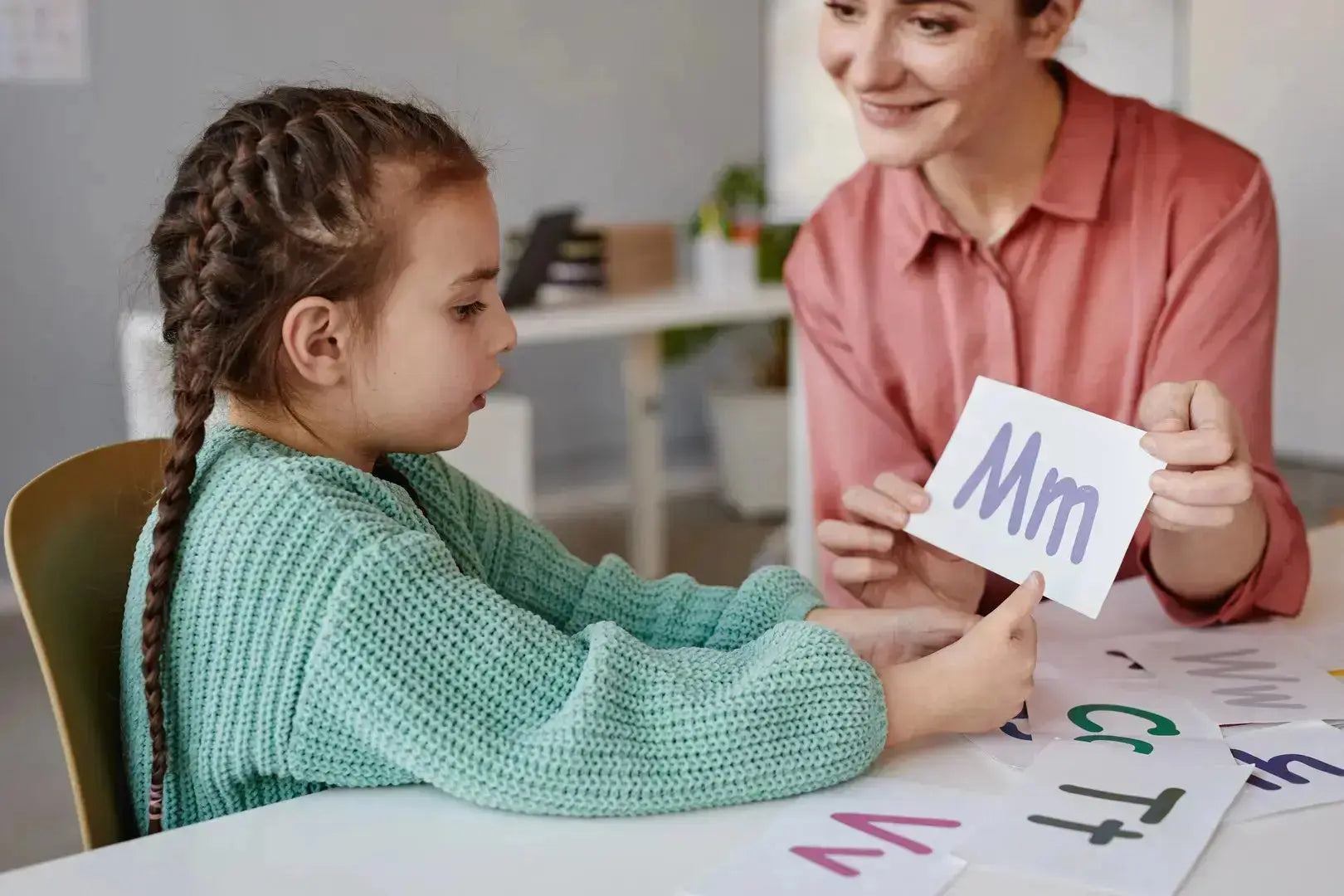
Learning letter sounds does not need to feel like schoolwork. For preschoolers and early learners, the best letter sound games are short, playful, and easy to repeat during everyday moments at home.
This guide shares simple letter sound games parents can try using books, toys, household objects, movement, and calm daily routines. The goal is not to rush reading. It is to help children notice that letters and sounds are connected in a fun, low-pressure way.
Easy Letter Sound Games for Preschoolers
- Keep games short. Five to ten minutes is enough for most preschoolers.
- Start with sounds, not spelling. Focus on the sound a letter makes before expecting reading or writing.
- Use familiar objects. Toys, snacks, books, and bedroom items make practice easier to understand.
- Repeat favorite games. Preschoolers learn well through repetition and routine.
- Keep it playful. Letter sound activities should feel encouraging, not like a test.

Why Letter Sounds Matter for Preschoolers
Letter sounds are one of the early building blocks of reading. Before children can sound out words, they need to begin noticing that letters represent sounds.
For example, a child may learn that the letter B makes the /b/ sound in words like ball, bed, and banana. Over time, these small sound connections help build phonics awareness and reading readiness.
Preschoolers do not need long lessons. They usually learn best through short, familiar, playful activities. A few minutes of practice during story time, snack time, bath time, or bedtime can be more helpful than a long sit-down lesson.
Parent takeaway: Teaching letter sounds works best when the activity feels playful, familiar, and easy to repeat. The aim is confidence, not perfect answers.
For a broader phonics starting point, you can also read Phonics Games for Preschoolers at Home: Easy 10-Minute Ideas.
1. Sound Hunt Around the Room
This is one of the easiest letter sound games to play at home because you do not need special materials. Choose one sound, then look around the room for objects that start with that sound.
How to play
- Choose one letter sound, such as /m/.
- Say the sound clearly: “Mmm.”
- Look around the room together.
- Find objects that start with that sound, such as mug, mat, or mom.
- Repeat the sound each time you find an object.
You can say, “Mmm, mug. Mug starts with /m/.” Keep your voice warm and playful. If your child gives a wrong answer, gently model the right answer instead of correcting too strongly.
Parent tip: Start with easy, clear sounds like /m/, /s/, /b/, /t/, and /p/. These are often easier for young children to hear.
2. Alphabet Basket With Everyday Objects
An alphabet basket turns everyday objects into a simple preschool phonics game. It works well for early learners because they can touch, hold, and sort real items.
Place three to five small objects in a basket. Choose objects that begin with the same sound, or mix two different sounds for a child who is ready for a little more challenge.
| Sound | Object ideas | What to say |
|---|---|---|
| /b/ | ball, book, banana, block | “B-b-ball starts with /b/.” |
| /m/ | mug, mat, moon, milk | “Mmm, milk starts with /m/.” |
| /s/ | sock, spoon, sun, star | “Sss, sock starts with /s/.” |
Pick up each item and say its name slowly. Emphasize the first sound, then invite your child to repeat it with you.
For a simple variation, place one object in the basket that does not match the sound and ask, “Which one sounds different?”

3. Name Sound Game
Children are often interested in names, especially their own name and the names of people they love. This makes names a useful place to start with early phonics practice.
- Say your child’s name slowly.
- Emphasize the first sound.
- Ask, “What sound do you hear at the start?”
- Try the names of siblings, parents, pets, or favorite characters.
For example, “Sam starts with /s/. Sssam.” You can then look for other things that start with the same sound, such as sock, sun, or spoon.
This game keeps learning personal and meaningful. It also helps children notice sounds in words they already know.
4. Letter Sound Recognition With Picture Books
Story time is a natural moment for letter sound recognition. You do not need to stop and teach every page. Choose just one sound to notice while reading.
- Choose a familiar picture book.
- Pick one sound before you start reading.
- As you read, pause on one or two pages.
- Ask your child to find a picture that starts with the sound.
For example, if you are working on /c/, your child might spot a cat, cup, or car in the pictures.
Keep it light: You do not need to turn every book into a lesson. One or two sound moments during reading is enough.
For more support with early reading at home, you can read Early Reading Intervention: Simple Phonics Wins at Home.
5. Sound Sorting With Letter Cards
If your child enjoys sorting, this game can help them compare beginning sounds. It is especially useful for preschoolers who are ready to hear the difference between two starting sounds.
Choose two sounds, such as /b/ and /s/. Place two letter cards or simple labels on the floor. Then gather toys or objects that start with those sounds.
Ask your child to place each object with the matching sound. Say each word out loud together before sorting it.
If your child finds this hard, reduce the number of objects. Two or three clear examples are better than a large pile that feels confusing.
Simple setup idea
Write one uppercase letter and one lowercase letter on a card, then place the card on the wall or floor. Add three matching objects nearby so your child can connect the letter, the sound, and the object.
6. Printable Scavenger Hunt
A scavenger hunt makes practice feel active and playful. You can use a simple printable checklist or draw your own quick version on paper.
Choose one sound and ask your child to find three things around the house that start with it. For example, for /p/, they might find pajamas, a pillow, and a pencil.
A printable scavenger hunt can also work well for a short weekend activity. Keep the page simple with three boxes, one target sound, and a space to draw or place stickers.
| Target sound | Find this many | Easy examples |
|---|---|---|
| /p/ | 3 things | pillow, plate, pajamas |
| /m/ | 3 things | mug, mat, milk |
This is also a helpful way to involve older siblings or other kids in the home. Keep the tone playful, not competitive.

7. Snack Time Letter Sound Activities
Snack time is a relaxed way to practice because children are already engaged. Use foods your child knows well and focus on the beginning sound.
- Apple starts with /a/.
- Banana starts with /b/.
- Cracker starts with /c/.
- Grape starts with /g/.
- Milk starts with /m/.
You can ask, “Do banana and ball start with the same sound?” or “Can you hear /m/ at the start of milk?”
This should stay casual. If your child is tired or hungry, simply model the sound yourself and move on.
8. Movement Games for Active Kids
Some preschoolers learn better when they can move. A movement-based game can help active kids stay engaged without needing to sit still for long.
Choose a sound and connect it to an action:
- /j/ is for jump.
- /h/ is for hop.
- /s/ is for slide.
- /t/ is for tap.
- /c/ is for clap.
Say the sound, do the action, then say the word. For example: “/j/, jump!” Then let your child do the movement.
This can be helpful when your child has energy to release before settling into a quieter activity.
9. Letter Names and Sounds Before Bed
Bedtime can also fit gentle phonics practice, as long as it stays short and calm. This is not the time for testing, correcting, or introducing too much new information.
Choose one familiar sound and one familiar word. That is enough.
- “B is for bed. /b/, bed.”
- “M is for moon. /m/, moon.”
- “S is for star. /s/, star.”
- “P is for pajamas. /p/, pajamas.”
This is also a gentle way to connect letter names with sounds. For example, you can say, “This letter is M. It makes the /m/ sound in moon.”
Ozmotic Learning can fit naturally into a quiet routine when families want calm, low-stimulation learning moments at home. You can explore the Ozmotic Learning projection-based learning tool as one gentle way to support early learning through wall or ceiling projection without making bedtime feel busy.
You can also learn more about available learning themes on the Ozmotic Learning content page.

A Simple 10-Minute Routine for Teaching Letter Sounds
If you want a simple structure, try this short routine a few times a week. It gives your preschooler enough repetition without making practice feel overwhelming.
| Time | Activity | Why it helps |
|---|---|---|
| 1 minute | Choose one sound | Keeps the focus simple |
| 3 minutes | Find three matching objects | Connects sounds to real life |
| 3 minutes | Read and spot pictures | Builds reading readiness |
| 2 minutes | Say three words together | Adds repetition |
| 1 minute | Praise and stop | Ends on confidence |
This routine works well because it is short, predictable, and easy to repeat. You can use the same sound for several days before moving to a new one.
Common Mistakes to Avoid
Phonics practice should feel playful for preschoolers. If it becomes too formal, children may lose interest or feel pressured.
Try to avoid
- Practicing too long. Short, happy practice is better than a long lesson.
- Correcting every mistake. Model gently instead.
- Introducing too many letters at once. Focus on one sound at a time.
- Expecting reading too soon. Sound awareness is one early step toward reading.
- Turning every activity into a test. Keep the mood light and encouraging.
For more phonics guidance, read Phonics Based Instruction: Build Strong Readers at Home.
Final Thoughts: Keep Practice Playful and Repeatable
Letter sound games at home do not need to be complicated. A few minutes of playful practice with familiar objects, books, snacks, toys, and bedtime words can help preschoolers begin to hear how sounds and letters connect.
For children in the early learning years, the goal is gentle exposure, not perfect answers. Repeat favorite games, celebrate small moments, and stop before your child feels tired or frustrated.
If you want to add calm learning moments into your daily or bedtime routine, Ozmotic Learning can be a soft next step for parent-friendly early learning at home.
Start small: choose one sound, find three familiar words, and make it feel like play.
Share:
Sensory-Friendly Bedtime Ideas for Kids: Calm Steps That Help
What Are Education Savings Accounts and How Can Families Use Them?