
Summer can be a wonderful time for children to rest, play, explore, and enjoy a slower rhythm. But many parents also want to keep learning gently active, especially after reading about summer learning loss.
The good news is that a summer learning routine does not need to feel like school at home. For young children, a few short, playful learning moments can support reading, counting, memory, and language while still leaving plenty of room for fun.
A Simple Routine for Kids That Still Feels Like a Break
- Keep it short. Ten to twenty minutes of gentle practice is enough for many young children.
- Use everyday moments. Reading, snacks, toys, nature walks, and bedtime can all support learning.
- Repeat familiar activities. Children build confidence through repetition, not constant novelty.
- Do not recreate school. Summer learning should feel calm, playful, and flexible.
- End on success. Stop while your child is still engaged instead of pushing too long.

How to Keep Summer Learning Light During Summer Break
A summer learning routine gives children small chances to keep using skills they practiced during the year. This can include listening to stories, noticing letter sounds, counting objects, remembering details, sorting toys, or talking about the day.
The routine does not need to be strict. It should feel more like a gentle rhythm than a timetable. A child may read in the morning one day, count shells in the afternoon the next day, and do a short bedtime review another night.
The Brookings Institution explains that research on summer learning loss is mixed, but it also highlights that summer reading programs and home-based supports can help children keep skills active. For parents, the practical takeaway is simple: small, consistent learning moments can be useful without making summer feel pressured.
Parent takeaway: The best summer learning routine is not the longest one. It is the one your family can repeat calmly.
What Should a Routine for Kids Include?
For young children, a useful summer routine usually includes a mix of reading, movement, conversation, counting, memory, and calm review. These are simple activities that fit naturally into family life.
| Learning area | Simple summer activity | Why it helps |
|---|---|---|
| Reading | Read one short book together. | Builds vocabulary, listening, and story memory. |
| Phonics | Find one letter sound in the house. | Supports early reading readiness. |
| Math | Count snacks, toys, steps, or blocks. | Keeps number language active. |
| Memory | Ask your child to remember three things from the day. | Encourages recall and language. |
| Routine | Use the same calm review moment most days. | Makes learning feel predictable and manageable. |
If you want the broader background first, you can read Summer Learning Loss: Simple Ways to Keep Skills Fresh at Home.
A Simple 20-Minute Summer Schedule
This routine is designed for parents of young children who want structure without pressure. You can use it in the morning, after lunch, or before bedtime. The timing matters less than keeping it short and repeatable.
20-Minute Routine
- 5 minutes: Read one book or part of a book together.
- 4 minutes: Play one letter sound or rhyming game.
- 4 minutes: Count, sort, or compare real objects.
- 4 minutes: Talk about something your child noticed today.
- 3 minutes: Repeat one familiar idea, word, sound, or number.
You can shorten this routine to 10 minutes on busy days. You can also stretch it slightly when your child is enjoying the activity. The goal is not to finish a lesson. The goal is to keep learning warm and active.
If your child likes structure, simple visual schedules can also help. A picture-based plan with reading, play, snack time, outdoor time, and rest can make the day feel predictable without making it feel strict.
Step 1: Start With Books
Reading is one of the easiest places to begin. It does not require a worksheet, app, or formal lesson. A book, a quiet voice, and a few minutes of shared attention are enough.
Choose books your child already enjoys. Repeating the same book can be helpful because children begin to remember phrases, predict what happens next, and notice sounds or words they missed before.
Easy Summer Reading Challenge Ideas
- Read one picture book after breakfast.
- Visit the library once a week.
- Let your child choose the book, even if it is the same one again.
- Ask one simple question, such as “What happened first?”
- Retell the story using toys or drawings.
You can also turn this into a gentle summer reading challenge. Instead of tracking pages or prizes, try choosing five cozy books for the week, reading in a new spot, or letting your child pick a favorite story to repeat.
Keep reading light and warm. If your child only wants a few pages, that still counts.

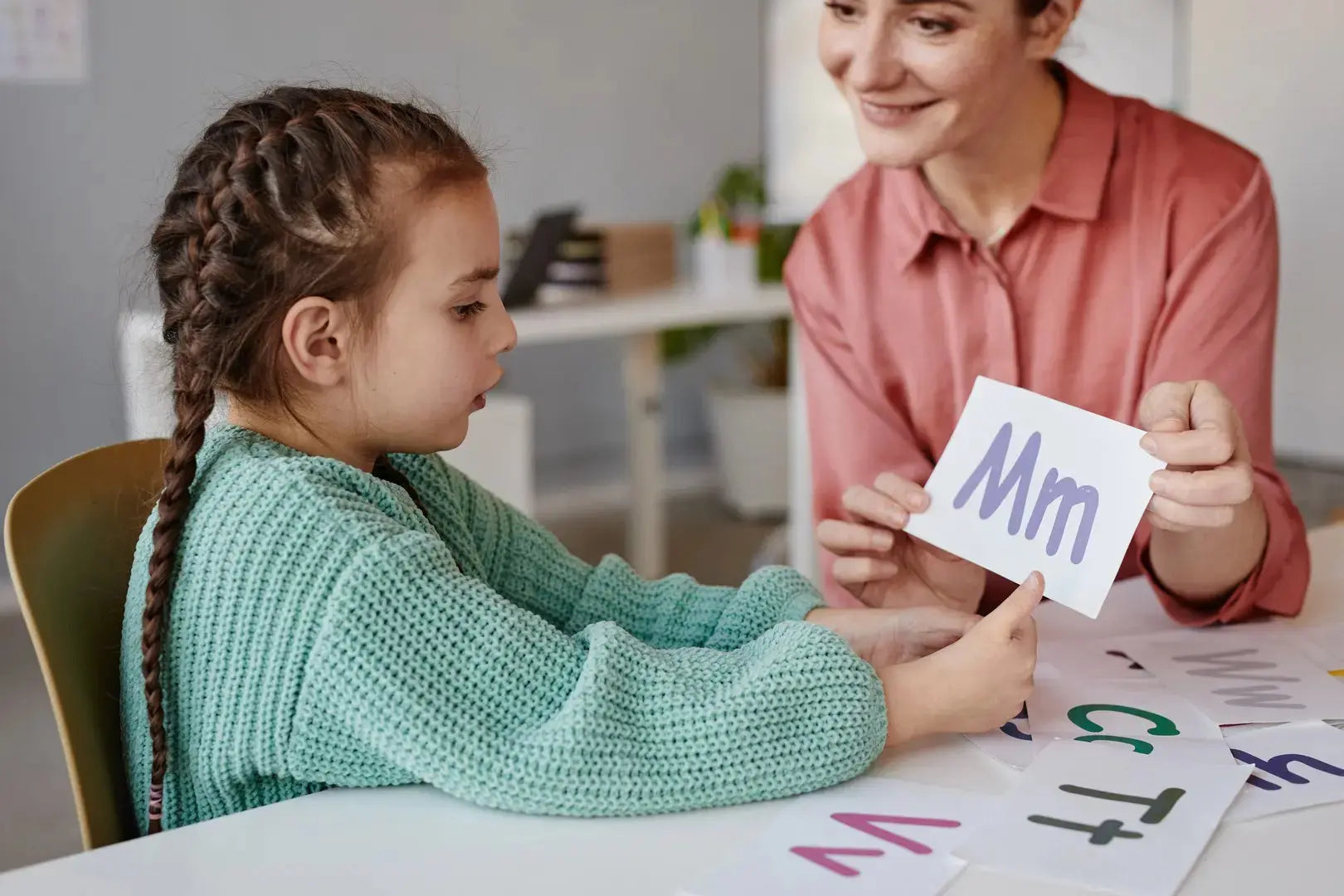
Step 2: Add One Letter Sound Game
Letter sounds help children begin to understand how spoken words connect to written letters. In summer, this can be practiced in small, playful ways.
You might choose one sound for the day. For example, if the sound is /m/, you can look for milk, moon, mom, or mat. Say the sound clearly and keep the activity short.
Keep it playful: A letter sound game should feel like noticing, not testing.
For more ideas, use Letter Sound Games at Home for Preschoolers as a practical next step.
Step 3: Use Real-Life Counting
Summer gives children many natural chances to use early math. You do not need a formal math lesson to help your child practice numbers.
Try counting things your child can see, touch, or move. This makes number language easier to understand.
| Everyday moment | Learning idea |
|---|---|
| Snack time | Count crackers, berries, apple slices, or cups. |
| Outdoor play | Count steps, leaves, stones, or flowers. |
| Tidy-up time | Sort toys by size, color, or type. |
| Bath time | Compare full and empty cups. |
These little moments help children keep number sense active without turning summer into worksheet time.
These small daily activities are useful because they keep learning connected to real life. They also leave room for play, rest, outdoor time, and family moments.
Step 4: Build Memory Through Conversation
Memory grows when children have chances to recall, retell, and repeat. A simple conversation can support this.
At lunch, in the car, or before bed, ask your child to remember part of the day. Keep the question easy and specific.
- “What did we see at the park?”
- “What was the first thing we did this morning?”
- “Can you remember the animal in our story?”
- “What color was the flower we found?”
This helps children practice language, sequencing, and recall. It also turns learning into connection.
You can connect this routine to Learning Repetition for Kids because small repeated moments are often easier for families to maintain than long lessons.
Step 5: Use Bedtime for Gentle Review
Bedtime can be a natural place to end the day with calm review. This should be soft, short, and pressure-free.
You might review one book, one sound, one number, or one thing your child enjoyed. Avoid turning bedtime into a quiz. The aim is to help your child feel settled and successful.
Try this bedtime review
- “What book did we read today?”
- “What sound did we find?”
- “What did we count?”
- “What was your favorite part of the day?”
If your family uses Ozmotic Learning, summer can be a good time to include it as a calm, low-stimulation learning moment before bed. Keep it gentle and familiar, especially when your child is tired.

Choosing a Summer Schedule That Works
You do not need to do a summer learning routine every day for it to help. A few times a week can still create a useful rhythm.
Some families prefer weekdays only. Others like a short morning routine three days a week. Some use bedtime as the only consistent review moment. Choose the version that feels realistic for your home.
| Family rhythm | Simple option |
|---|---|
| Busy summer schedule | Use a 10-minute routine three times a week. |
| Slow mornings | Read and count after breakfast. |
| Late outdoor days | Use bedtime review only. |
| Children who resist structure | Hide learning inside play, snacks, and stories. |
Reassuring reminder: Consistency matters, but perfection does not. Missing a day does not erase the value of a calm routine.
How to Balance Daily Activities, Free Time, and Summer Fun
If your child resists, make the routine smaller. Resistance often means the activity feels too long, too hard, too formal, or too badly timed.
Try changing one thing at a time. You can make the activity shorter, give your child a choice, move it earlier in the day, or switch from a table activity to a movement game.
Try this instead
- Read two pages instead of a whole book.
- Count three objects instead of ten.
- Ask one question instead of several.
- Use toys instead of worksheets.
- Stop before your child feels frustrated.
The goal is to keep learning associated with confidence and connection.
How to Avoid the Summer Slide Without Pressure
A summer learning routine should support your child, not add stress to the household. It is okay to keep things simple.
Try to avoid
- Long lessons that feel too much like school.
- Too many new skills at once when your child needs repetition.
- Pressure to perform when the goal is gentle practice.
- Comparing siblings or classmates because children grow at different rates.
- Turning bedtime into a test when your child needs calm.
Small, successful moments are usually better than a routine that looks impressive but is hard to repeat.
How Ozmotic Learning Can Fit Into a Summer Routine
Ozmotic Learning is designed for calm, low-stimulation early learning moments at home. For summer, that can make it useful as a short review tool, especially when parents want learning to feel gentle and easy to repeat.
If your family is trying to create calmer learning moments during summer, Ozmotic Learning can support short, low-stimulation review as part of a balanced routine with books, movement, conversation, and free play.
Families may use Ozmotic Learning as part of a quiet morning rhythm, a short afternoon reset, or a calm bedtime routine. The most important thing is to keep the moment short, predictable, and suited to your child’s energy level.
You can also explore the Ozmotic Learning content page to see the types of early learning topics available.
Ozmotic Learning should support the routine, not take over the routine. Parent connection, repetition, and calm pacing still matter.
A Flexible Weekly Summer Schedule
If daily structure feels too much, a weekly plan may be easier. Choose one simple focus for each day and keep it light.
| Day | Simple focus | Example activity |
|---|---|---|
| Monday | Reading | Read one favorite book. |
| Tuesday | Letter sounds | Find three things that start with /b/. |
| Wednesday | Counting | Count snacks, blocks, or steps. |
| Thursday | Memory | Remember three things from the day. |
| Friday | Choice day | Let your child choose a book, game, or activity. |

Final Thoughts: Keep the Summer Routine Light and Repeatable
A summer learning routine does not need to be complicated. For young children, the best routine is often simple: read a little, count real things, notice sounds, talk about the day, and repeat familiar ideas.
Summer should still feel like summer. The routine is only there to keep learning gently active, not to fill every moment with instruction.
If you want to support early reading, memory, and calm learning at home, start with one small daily moment. Keep it warm, keep it short, and let your child feel successful.
Try this today: choose one book, one sound, or one counting game. Five calm minutes is enough to begin.
Share:
Can You Use ESA Funds for At-Home Learning? A Parent Guide to Educational Purchases
Summer Learning at Home: Simple Ways to Keep Young Children Curious