
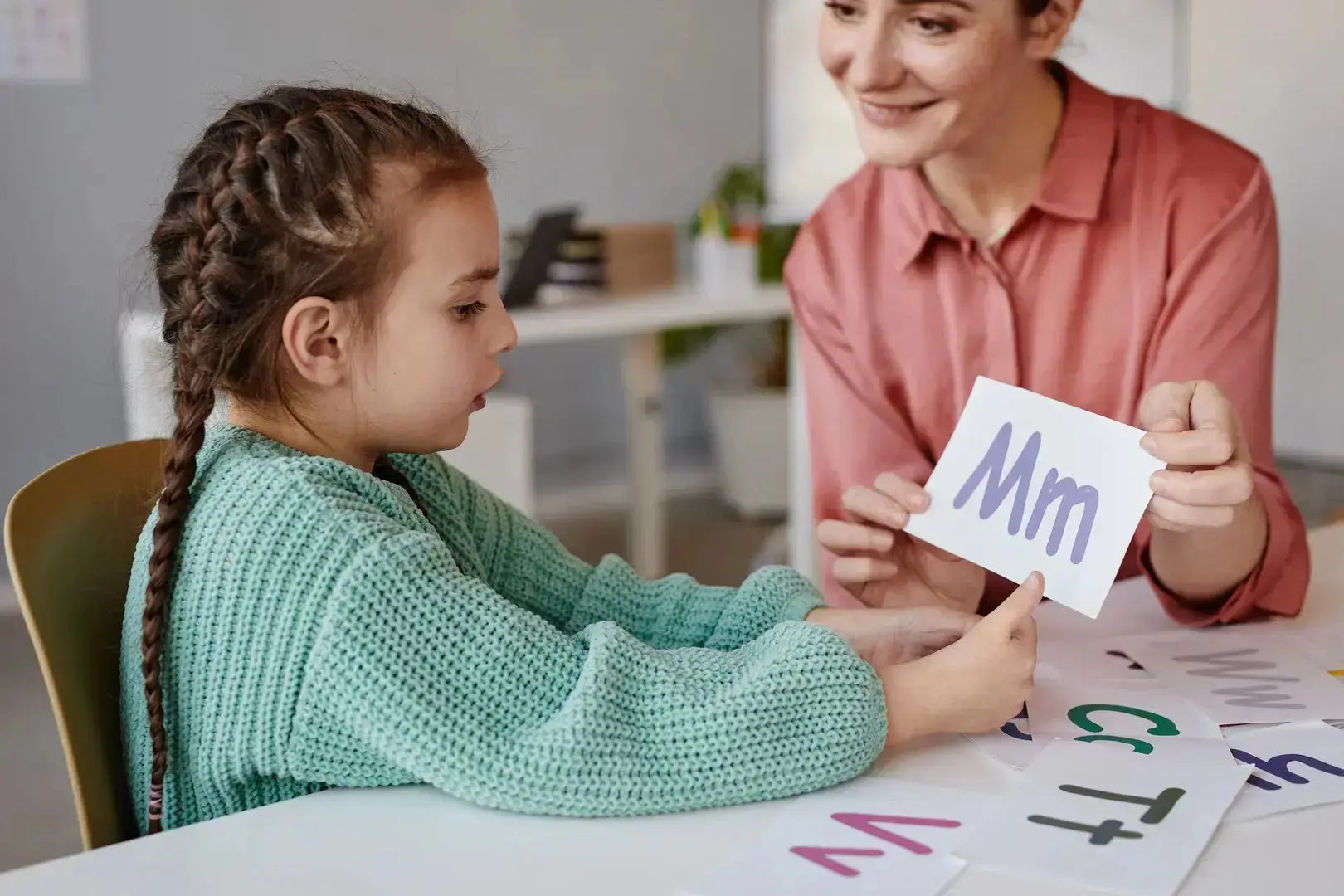
Summer learning at home does not need to feel like summer school. For young children, learning often happens through small everyday moments: asking questions, noticing patterns, counting objects, naming what they see, and revisiting familiar ideas in playful ways.
The goal is not to fill every day with structured lessons. A calmer approach can help families keep curiosity alive while still protecting the relaxed feeling of summer break.
Short learning moments can fit naturally into morning routines, outdoor play, quiet afternoons, and bedtime wind-downs.
Start With Curiosity, Not a Full Summer School Plan
Some families hear “summer learning” and picture worksheets, strict schedules, or a full summer homeschool routine. That does not need to be the starting point.
Young children often learn best when ideas are connected to what they can see, touch, ask, and repeat.
Simple rule: if the moment feels calm, playful, and easy to repeat, it can become part of summer learning at home.
Parents can begin with what a child already notices. A bug on the sidewalk, a shadow on the wall, a favorite story, or a snack on the plate can all become a gentle learning moment.
Why Natural Learning Works Well in Summer
Summer gives families more space for conversation and observation. A walk outside, a snack-time chat, or a quiet moment before bed can support language, counting, curiosity, and problem-solving.
NAEYC explains that play and learning are deeply connected for young children. Parents can read more from NAEYC’s parent resource on play and learning.
This supports a calmer way to think about summer learning. Parents do not need to recreate a classroom at home.
Instead, they can look for small ways to make everyday moments more thoughtful.
Use Questions to Open the Door
Questions are one of the easiest ways to support summer learning at home. They invite children to think, describe, compare, and predict without making the moment feel like a test.
A parent might ask, “What do you notice?” or “What do you think will happen next?” during water play, building, reading, or outdoor time.
Other simple prompts include:
- How many can we count?
- What shape can you see?
- What sound does that word start with?
- Which one is bigger, smaller, heavier, or lighter?
These questions can turn ordinary routines into learning moments. For a related STEM angle, STEM Learning at Home: How Simple Questions Build Everyday Curiosity can connect this topic to observation and problem-solving.
Turn Everyday Routines Into Summer Activities
Some of the most useful summer activities are often the ones families are already doing. Breakfast, tidying up, outdoor play, car rides, and bedtime can all support academic learning in gentle ways.
At breakfast, children can count fruit, compare sizes, or name colors.
During outdoor play, they can notice shadows, leaves, weather, sounds, and movement.
In the car, families can spot letters, numbers, signs, shapes, and colors.
During clean-up, children can sort toys by type, color, size, or where they belong.
Add Simple STEM Moments
STEM learning can begin with observation. Parents do not need special materials to help children explore science, counting, patterns, and problem-solving.
Water play can introduce full and empty. Shadows can introduce light and movement. Building blocks can introduce balance, size, and structure.
Useful summer activities for STEM can include watching how shadows move, comparing which objects float or sink, sorting stones or toys, counting steps, and building towers.
Families who want more subject variety can also explore the Ozmotic Learning content library to see how projection-based lessons support early language, counting, curiosity, and problem-solving at home.
Make Summer Reading Feel Easy
Summer reading does not need to be a formal program. A few minutes with a short book, a favorite story, or a picture conversation can help children stay connected to language.
Parents can ask children to describe a picture, find a familiar letter, notice a beginning sound, or retell one part of the story.
This keeps reading calm and connected instead of turning it into a performance.
Use Repetition Without Making It Feel Repetitive
Early learners often benefit from hearing and revisiting familiar ideas in calm, everyday moments. A number talked about at breakfast can appear again during play. A letter sound from a story can appear again during a car ride.
The key is to keep repetition light. Instead of drilling the same idea, parents can bring it back naturally in new moments.
For a deeper look at this approach, Small Daily Learning Moments: Why Repetition Helps Early Learners Revisit New Ideas can support the repetition and memory connection.
Create a Simple Summer Learning Rhythm
A loose rhythm can help families stay consistent without overplanning the day.
Morning might include one question, one short story, or one counting moment.
Afternoon might include outdoor play, sorting, building, water play, or observation.
Evening might include one calm review moment during a bedtime routine.
This kind of rhythm keeps summer learning steady without making the day feel crowded.
Where Ozmotic Learning Can Fit
Ozmotic Learning can support families who want a calmer way to add guided learning moments at home. Through wall or ceiling projection, families can use projection-based lessons as part of a quiet routine, a short review moment, or a bedtime learning flow.
The aim is not to make summer busier. It is to create small, purposeful learning moments that feel playful, calm, and easy to repeat.
Families can explore Ozmotic Learning as one way to support projection-based learning at home.
Share:
A Simple Summer Learning Routine for Kids That Still Feels Like a Break
STEM Learning at Home: Easy Summer Ideas for Young Children