

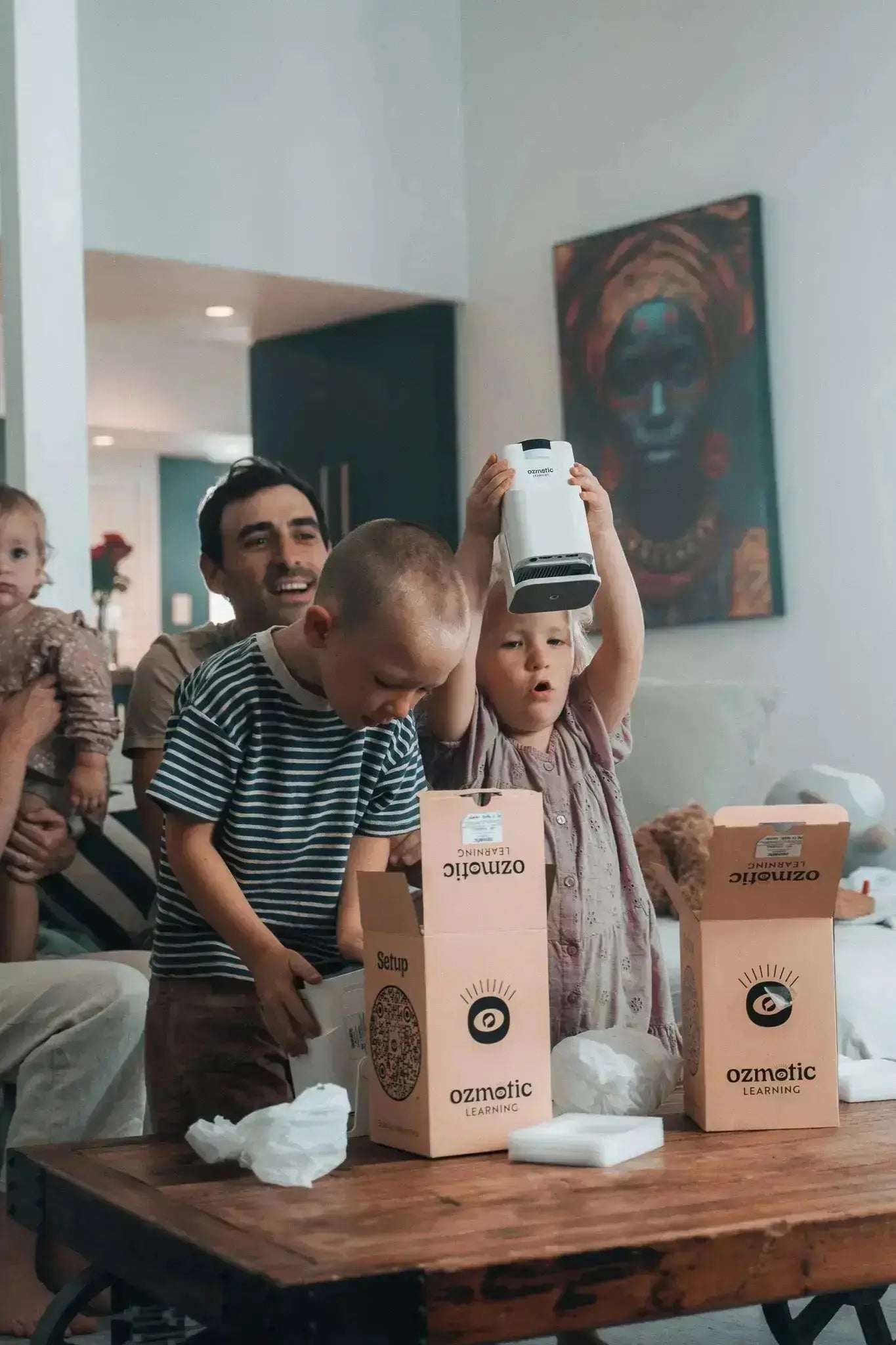
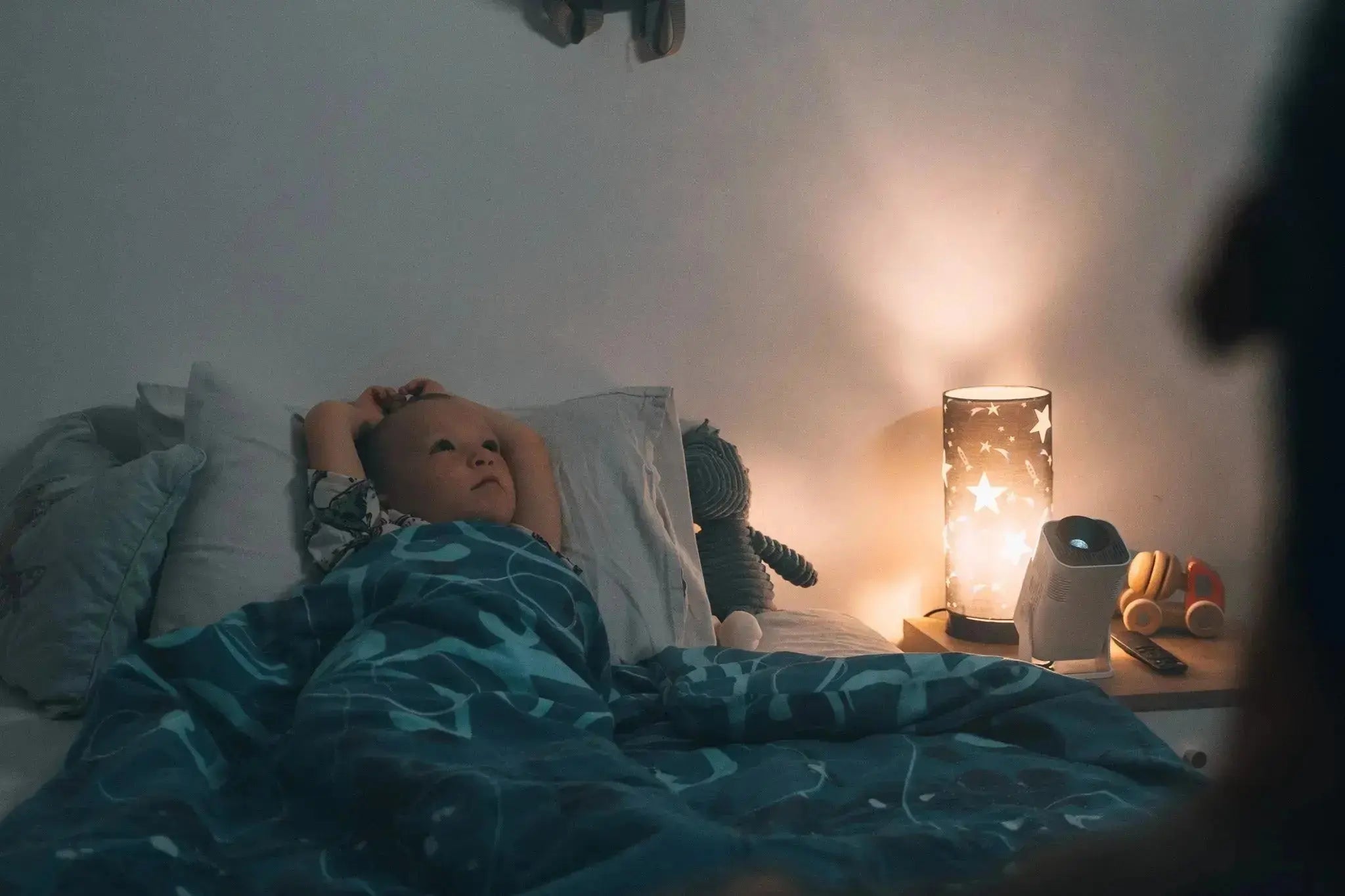
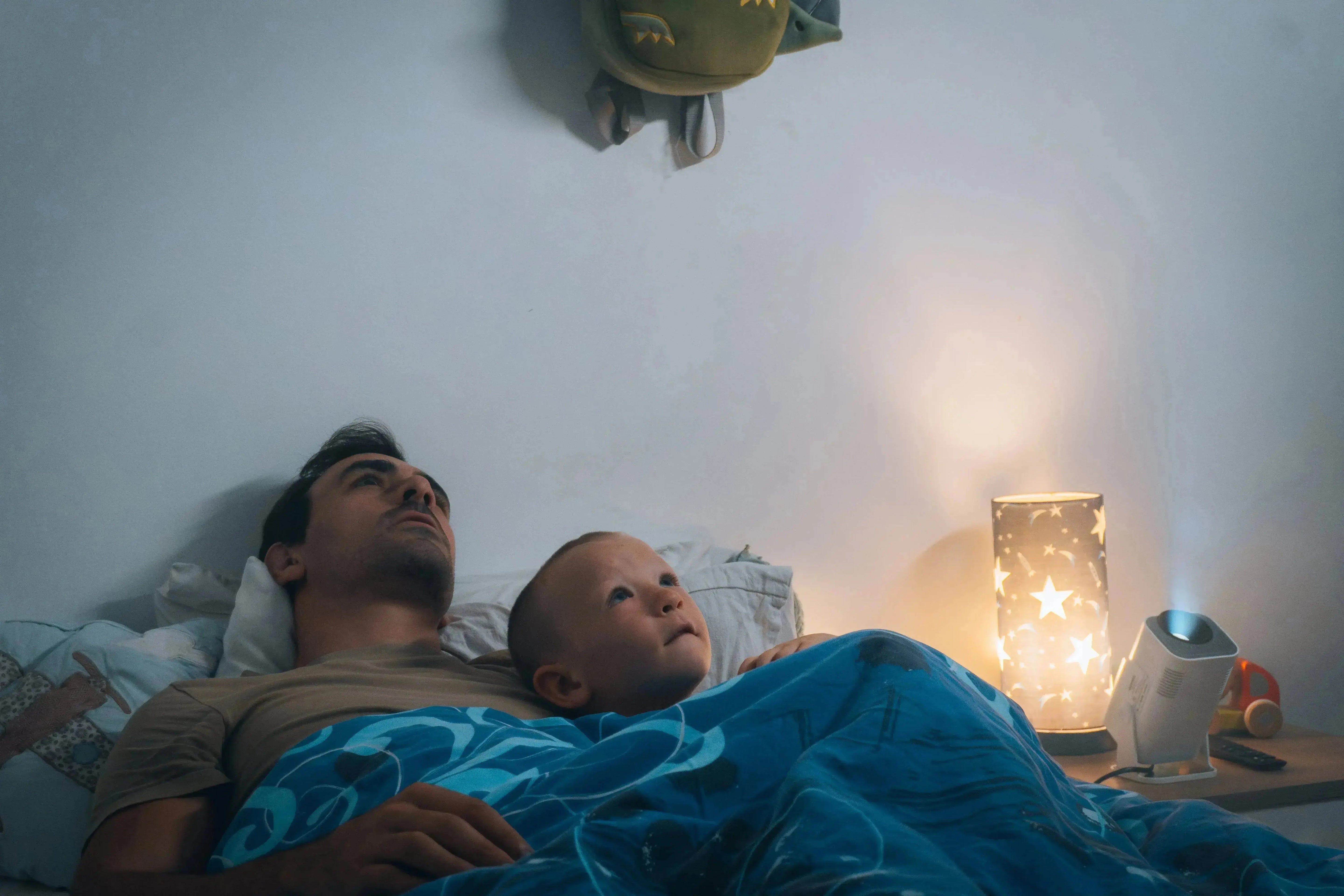
“My son is 4 years old and LOVES THIS. It keeps him interested the whole time!!”
Blog
Science Questions for Preschoolers: Simple Ways to Observe, Predict, and Wonder
“Why did the ice disappear?” “Where does the rain go?” “Why is that shadow so long?” Young children often bring science into the day without realizing it. Their questions begin with something they have noticed, and that small observation can...
Read moreabout Science Questions for Preschoolers: Simple Ways to Observe, Predict, and Wonder
STEM Learning at Home: Easy Summer Ideas for Young Children
STEM learning at home can start with simple summer moments. Young children do not need advanced lessons to begin exploring science, math, engineering, technology, and problem-solving. They can build early STEM thinking by asking questions, noticing patterns, testing ideas, and...
Read moreabout STEM Learning at Home: Easy Summer Ideas for Young Children
Summer Learning Loss: Simple Ways to Keep Skills Fresh at Home
Summer is a time for children to rest, play, explore, and enjoy a slower pace. During summer break, many parents also wonder how to keep important skills fresh when school routines pause for a few weeks or months. This is...
Read moreabout Summer Learning Loss: Simple Ways to Keep Skills Fresh at Home
Learning Repetition for Kids: Why Spaced Practice Builds Stronger Memory
Learning repetition for kids is a simple idea: children revisit words, sounds, numbers, stories, or other early concepts more than once instead of expecting everything to stick after a single introduction. Learning through repetition can help familiar ideas become easier...
Read moreabout Learning Repetition for Kids: Why Spaced Practice Builds Stronger Memory
Bedtime Routines for Kids: Better Sleep, Learning, and Behavior
Bedtime routines for kids do not need to be elaborate to become a useful part of family life. A familiar sequence at the end of the day can make bedtime easier to understand, give parents fewer decisions to make when...
Read moreabout Bedtime Routines for Kids: Better Sleep, Learning, and Behavior
Bedtime Learning for Kids: Why Sleep Helps New Learning Stick
Parents often hear that sleep matters for learning, but the relationship between sleep and memory in children is more specific than a simple “sleep helps learning” message. Research suggests that sleep can play a role in what happens after new...
Read moreabout Bedtime Learning for Kids: Why Sleep Helps New Learning Stick
Early Childhood Neuroplasticity: Why Ages 1 to 5 Matter Most
Early childhood neuroplasticity is one reason the early learning years matter so much. During this period, a young child’s brain is highly responsive to experience. Repeated, meaningful input can help strengthen the pathways that are used often, while less-used connections...
Read moreabout Early Childhood Neuroplasticity: Why Ages 1 to 5 Matter Most
Sleep and Child Development: What Parents Should Know
Sleep and child development are closely connected, but the relationship is broader than simply saying that more sleep leads to better outcomes. Researchers study how sleep duration, sleep quality, and sleep patterns are associated with attention, memory, emotional well-being, behavior,...
Read moreabout Sleep and Child Development: What Parents Should Know
Bedtime Routine Checklist for Kids: Simple Evening Steps
A bedtime routine checklist for kids turns the end of the day into a short sequence everyone can see and follow. Instead of trying to remember every step when the family is already tired, parents can use one familiar bedtime...
Read moreabout Bedtime Routine Checklist for Kids: Simple Evening Steps