
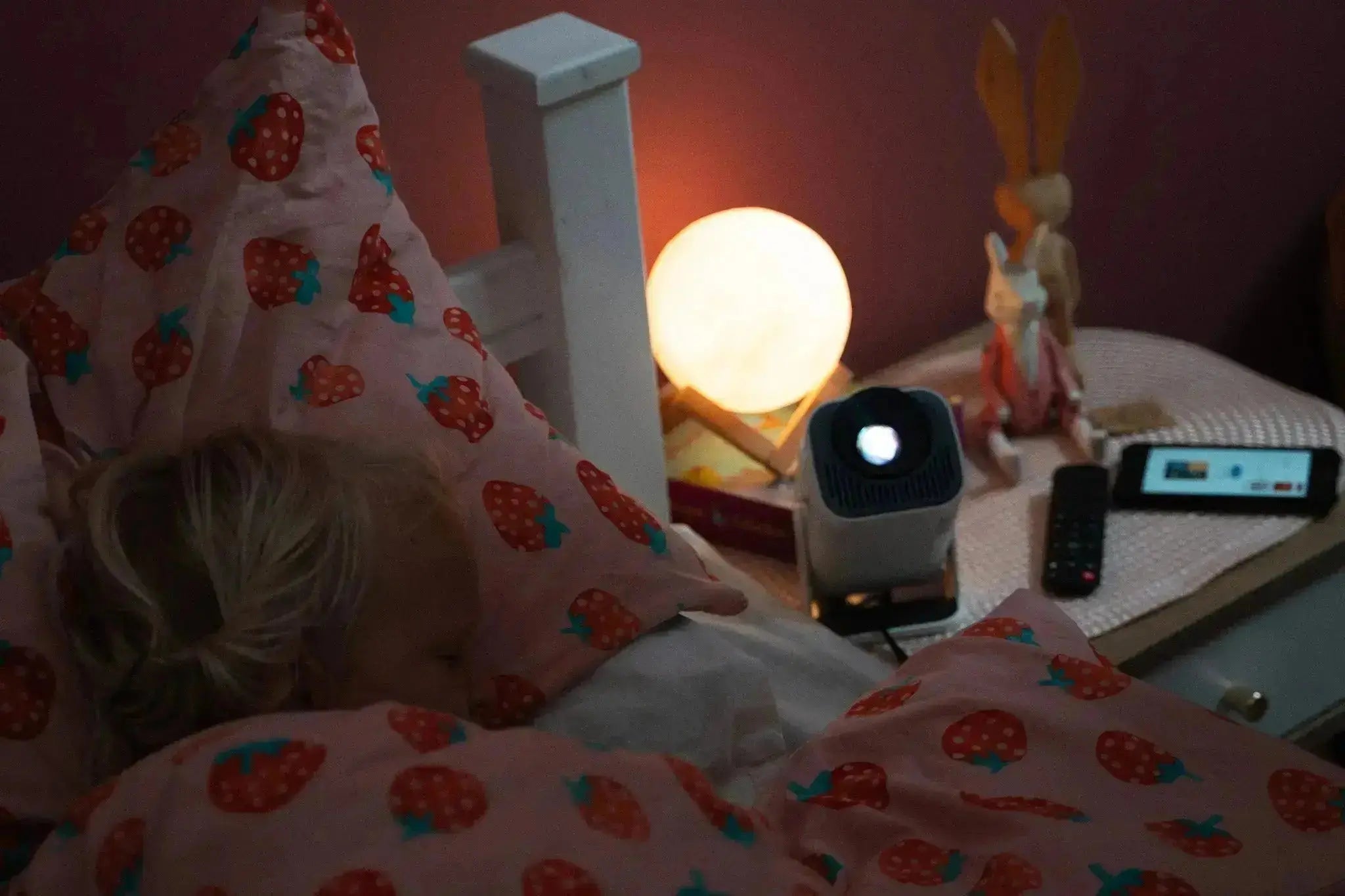
A regular sleep schedule for toddlers gives families a familiar rhythm for bedtime, waking up, naps, and quiet parts of the day. The aim is not to make every day identical. It is to create a sleep schedule that is recognizable enough to return to when family life changes.
Quick answer: A toddler sleep schedule usually works best when bedtime, wake time, and nap time follow a broadly familiar pattern. Sleep needs vary from child to child, so the most useful plan is one that considers daytime sleep, nighttime sleep, family routines, and how your toddler responds over time.
What is a regular sleep schedule for toddlers?
A regular sleep schedule for toddlers means that the main sleep-related parts of the day happen in a relatively familiar pattern.
That can include:
- a recognizable morning wake time
- a familiar nap schedule
- a consistent bedtime routine
- a broadly similar bedtime on ordinary days
- enough flexibility for travel, weekends, family events, and changing sleep needs
The goal is not precision to the minute. A useful toddler sleep schedule should fit family life rather than make ordinary changes feel like a problem.

What research says about toddler sleep patterns
The study Regular Sleep Habits in Toddlers Are Associated with Social-Emotional and Communicative Development examined sleep patterns in toddlers and compared them with measures related to social attention and communication.
The researchers found associations between more regular sleep patterns and some of the developmental measures they examined.
That does not mean a regular sleep schedule directly causes stronger communication or social skills. The research shows a relationship, not a guarantee that changing bedtime or nap timing will produce a particular developmental outcome.
For parents, the more useful takeaway is that sleep regularity is one part of the broader picture researchers consider when looking at toddler sleep and development.
How much sleep does a toddler need?
A child's sleep needs change as they grow, and individual children can differ in how their sleep is distributed across the day and night.
Parents often focus on sleep hours or the total amount of sleep, but it can also be useful to consider:
- nighttime sleep
- daytime sleep
- the number of naps
- when naps happen
- how consistent bedtime and wake time are
- how rested the child appears during ordinary family life
HealthyChildren.org, from the American Academy of Pediatrics, provides current guidance on children's sleep needs and healthy sleep habits. You can read its guidance on healthy sleep habits and sleep needs.
Rather than using one exact number as a target for every toddler, parents can use professional guidance alongside what they observe in their own child.
Bedtime, wake time and naps work together
A toddler sleep schedule is not only about bedtime. Total sleep per day may include both nighttime sleep and one or more periods of daytime sleep.
| Part of the schedule | What to think about |
|---|---|
| Wake time | A broadly familiar morning start can help give the day a recognizable rhythm. |
| Nap time | Notice when your toddler usually becomes ready for daytime rest and how naps affect the rest of the day. |
| Afternoon nap | The timing may matter if a late nap regularly changes the evening routine. |
| Bedtime | Use a bedtime that fits your child's wider sleep pattern and family schedule. |
| Nighttime sleep | Look at the whole night's pattern rather than focusing only on falling asleep. |
The relationship between these pieces can change over time. A nap schedule that once worked well may need adjusting as a child's daytime sleep changes.
What should a toddler bedtime routine include?
The bedtime routine is the sequence that happens before sleep. It sits inside the wider sleep schedule.
A simple routine might include:
- washing or bathing
- pajamas and brushing teeth
- a short quiet family moment
- reading or a familiar story
- the same recognizable goodnight sequence
A consistent bedtime routine does not mean the evening must unfold perfectly. It simply gives the family a familiar sequence to return to.
For a broader routine guide, see our bedtime routines for kids article.

How nap schedules can change
The number of naps a child takes can change during the toddler years. Some children may still rely heavily on daytime sleep, while others gradually spend more of the day awake.
Instead of assuming one universal nap schedule, notice patterns such as:
- whether a nap still happens comfortably
- whether the nap regularly becomes difficult
- whether a late nap shifts bedtime much later
- whether your toddler seems unusually tired without daytime sleep
- whether quiet time is useful even when sleep does not happen
A quiet time period can still give the day a calmer rhythm when a child does not nap.
What are wake windows?
You may see the term wake windows used in toddler sleep advice. It generally refers to the period a child stays awake between periods of sleep.
Parents sometimes use wake windows as one clue when planning naps and bedtime, but they should not be treated as an exact rule that works for every child.
Individual sleep needs, health, daily schedules, previous sleep, and developmental changes can all affect when a child appears ready for rest.
It is often more useful to look at the whole sleep pattern than to rely on one fixed number of waking hours.
Sample toddler sleep schedules should be treated as examples
Parents often search for sample toddler sleep schedules because they want to know what a normal day should look like.
Examples can be useful for understanding the basic structure:
| Part of the day | Example rhythm |
|---|---|
| Morning | Wake, breakfast, ordinary family routine |
| Middle of the day | Nap or quiet time where it fits the child's current pattern |
| Afternoon | Family time, meals, and the usual daily routine |
| Evening | Begin winding down at a recognizable point |
| Bedtime | Follow the familiar bedtime routine and goodnight sequence |
I would not treat a sample schedule as a prescription. Your child's actual sleep plan may look different, and that can still be completely workable.
What if the sleep schedule suddenly changes?
Toddler sleep patterns do not always stay consistent.
Travel, illness, family changes, growth, a changing nap schedule, or periods sometimes described as a sleep regression can temporarily affect bedtime, waking up, or naps.
Rather than rebuilding the whole routine immediately, start by returning to the familiar anchors:
- the usual morning rhythm
- a familiar nap or quiet-time period
- the normal bedtime routine
- the same closing sequence at night
A temporary disruption does not automatically mean the underlying schedule no longer works.
What if falling asleep becomes difficult?
Sometimes a toddler follows the full routine but still has difficulty falling asleep.
Before adding more steps, look at the wider day:
- Did nap time happen later than usual?
- Was the afternoon nap longer or shorter?
- Has wake time shifted?
- Has the family schedule recently changed?
- Is your toddler showing signs of illness or discomfort?
Repeated bedtime delays are sometimes described as bedtime battles, but a calmer framing can be more useful: something in the current rhythm may need reviewing.
Our bedtime resistance in children guide looks more closely at repeated delays and bedtime pushback.
What about waking up during the night?
Night waking can happen for many reasons and should not automatically be treated as a schedule problem.
If your toddler is waking up frequently, consider the broader pattern rather than making several changes at once.
For younger children who still have night feeding as part of their routine, individual needs can vary considerably. If you are unsure about feeding, night waking, growth, or whether a change is appropriate, ask a pediatrician or another qualified health professional.
Where Ozmotic Learning fits
Some families include a short learning moment during the calmer part of the evening.
Ozmotic Learning uses wall or ceiling projection to support guided learning moments across letters, numbers, stories, languages, science, and other early learning subjects.

The Ozmotic Learning projection-based learning tool can fit into an evening family routine where it feels natural.
Families can browse the Ozmotic Learning content library or visit our Science page for more information about the approach.
Ozmotic Learning should fit the family routine rather than be presented as a tool for changing sleep cycles, improving sleep quality, or making a child fall asleep.
How to make a sleep plan more consistent
If the current routine feels unpredictable, adjust one part at a time.
- Choose your main anchors. Start with wake time, nap or quiet time, and bedtime.
- Keep the bedtime sequence familiar. Use the same broad order most evenings.
- Watch the nap schedule. Notice whether daytime sleep is regularly shifting bedtime.
- Make gradual changes. Avoid changing several parts of the sleep plan at once.
- Review the whole pattern. Look at total sleep, daytime sleep, nighttime sleep, and how the child seems during the day.
A regular schedule is about a recognizable rhythm, not perfection.
When should parents ask for sleep support?
Most families experience occasional changes in toddler sleep. Persistent concerns are different.
Speak with a pediatrician or another qualified health professional if you are concerned about frequent night waking, significant difficulty sleeping, unusual breathing or persistent snoring, substantial daytime sleepiness, feeding concerns, or another sleep pattern that is affecting your child's well-being.
Professional sleep support can help families distinguish between ordinary schedule changes and concerns that need more individual attention.

Final thoughts
A regular sleep schedule for toddlers does not need to follow one perfect timetable.
Think in terms of familiar anchors: a broadly consistent wake time, a nap schedule that fits your child's current needs, a recognizable bedtime, and a bedtime routine the family can realistically repeat.
Sleep patterns will change. Naps may shift. Some evenings will run late. The useful part of a regular schedule is having a familiar rhythm to return to afterward.
Share:
Bedtime Routine Checklist for Kids: Simple Evening Steps
Personalized Learning at Home: Simple Ways to Adapt Learning