
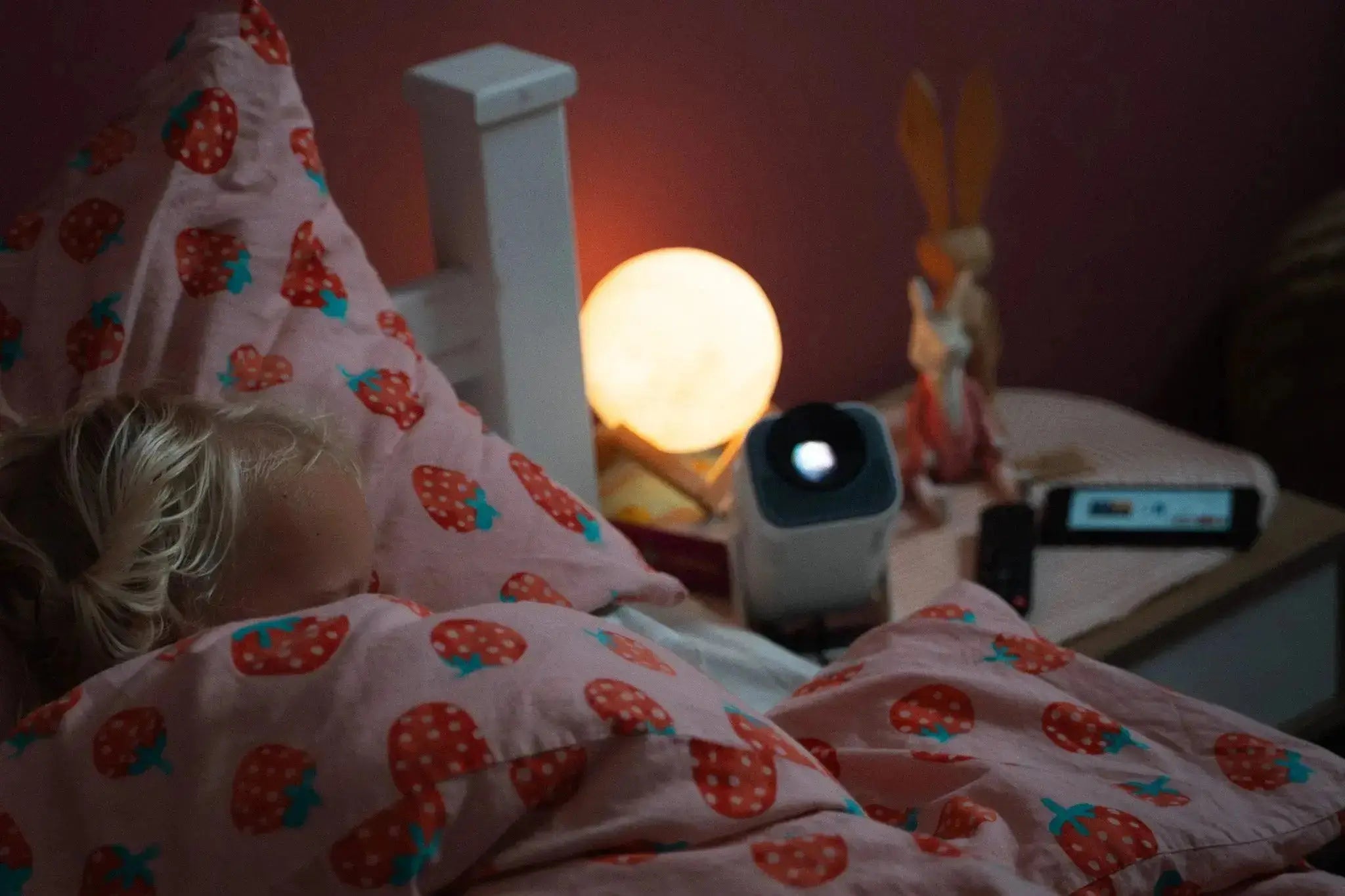
Personalized learning for kids is one way to make learning feel more relevant, manageable, and encouraging at home. When learning moments connect with a child’s interests, confidence level, or favorite themes, children may feel more willing to participate. That can be especially helpful for early learners who feel unsure or easily frustrated.
Personalized learning for kids
Key takeaway: Personalization can help spark a child’s interest in the moment, especially when learning feels calm, familiar, and connected to something they already enjoy.

What the 2019 review found about interest
The review “Personalized Education to Increase Interest” examined intervention studies on how tailored learning experiences can increase situational interest, which is the in-the-moment spark, and support the growth of individual interest over time. It found that personalization tends to be especially helpful for learners with lower confidence or lower initial interest, and that combined strategies can produce stronger results. You can read the paper here: Personalized Education to Increase Interest.
One practical takeaway is that personalization is not only about making learning “fun.” It is also about lowering barriers, reducing boredom, and helping children feel capable enough to stay with a task.

Three types of personalization you can use at home
You do not need advanced tools to use personalized learning for kids. These three methods are simple, and they work especially well when you keep them short and repeatable.
| Personalization type | What it looks like | Why it helps | Example |
|---|---|---|---|
| Context | Use your child’s interests | Makes learning feel relevant | Count dinosaur footprints, read animal facts |
| Choice | Offer two learning options | Supports autonomy and buy-in | Letters first or numbers first |
| Value | Connect learning to a goal | Builds meaning and persistence | “Reading helps you explore your favorite stories” |
When you combine these, learning can feel more personal and easier to repeat. Personalized learning for kids can be as simple as letting them choose a theme, then showing how the skill connects to something they care about.
A quick “interest ladder” for low-confidence learners
If your child shuts down quickly, begin with the smallest possible win. The goal is to build momentum without pressure. Personalized learning for kids works best when success comes first, then challenge follows gently.
- Start easy: pick something they can do with help.
- Make it familiar: tie it to a character, hobby, or real-life need.
- Offer a choice: two options keeps it manageable.
- Add one stretch: one new word, one harder question, or one extra step.
- End with praise for effort: “You kept going, that matters.”

Where Ozmotic Learning fits into tailored learning routines
One challenge at home is consistency. Parents have good intentions, then the day gets busy. Ozmotic Learning supports personalized learning for kids by making it easier to select lessons that match your child’s current stage and interests, then repeat them as part of a calm routine.
The Ozmotic Learning projection-based learning tool offers gentle, bedtime-friendly learning moments, and the Content library helps you choose themes your child may enjoy. If you want the reasoning behind calm learning routines, visit Learn the Science.
A bedtime routine that supports motivation
Personalized learning for kids does not need to feel like extra work. Bedtime can be a natural place to build consistency because it repeats. Keep it calm, short, and predictable.
- 10 minutes: one tailored lesson your child enjoys.
- 1 minute: one talk-back prompt to build confidence.
- Story time: end with connection, then sleep.
This can help because it protects a child’s sense of safety. When the routine is gentle and the content feels personal, many children may stay engaged more comfortably, which is the goal of personalized learning for kids.
If you want help choosing the right personalization starting point
If you would like help building a simple plan based on your child’s interests and current learning needs, reach out here: Contact.
Personalized learning for kids is not about doing more. It is about making learning feel more meaningful, so your child has a reason to come back to it again.
Share:
Sleep and Child Development: Why Ages 6–12 Need Better Nights
Audio Visual Learning for Toddlers: Build Language Through Calm Play