
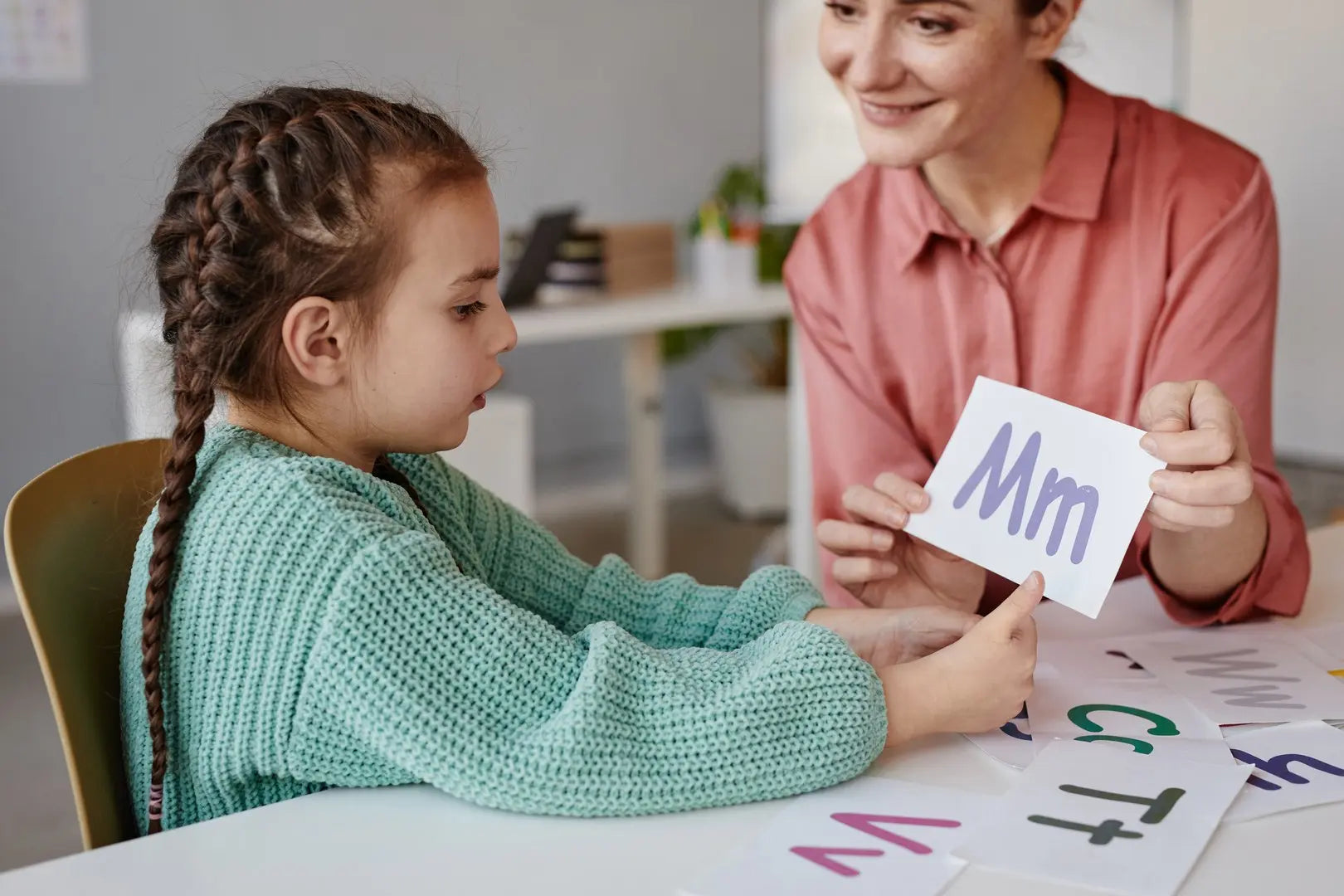
Back-to-school season has a way of changing the rhythm of the whole house. Whether your child is starting kindergarten, returning after summer, or beginning a new homeschool term, familiar routines can make the transition feel a little less hectic.
You do not need to recreate the classroom at home or squeeze another long lesson into the day. One relaxed, 20-minute learning moment can give families a simple way to reconnect, talk, and explore something together.
In short
Build your back-to-school routine around one time your family can return to. Choose a single learning area, spend a few minutes exploring it together, and leave room for conversation. Keep it useful, familiar, and flexible enough for real family life.
Ease back into a back-to-school routine
Summer schedules can be wonderfully loose. Bedtimes drift, mornings start later, and some days seem to run entirely on snacks and sunshine. When school starts again, trying to restore every routine at once can leave everyone feeling overwhelmed.
Begin with the parts that will make the biggest difference. That might mean returning to an earlier bedtime, preparing school items in advance, or choosing one regular time for learning at home.
Small changes are easier to live with than a complete household reset. Give the new rhythm a few days to settle before adding anything else.
Let the evening help the morning routine
A smoother morning often begins the night before. Choose clothes, check the school bag, prepare breakfast items, and put shoes somewhere they can actually be found. Those few minutes can prevent a surprising amount of morning drama.
Homeschool families can use the same idea. Set out the materials for the first subject or choose the next lesson in advance. Fewer early-morning decisions can make it easier for everyone to begin the day.
How sleep supports the start of the day
A familiar evening sequence helps children know what to expect as the day winds down. It does not need to be elaborate. Dinner, washing, preparing for tomorrow, a quiet learning moment or story, and a familiar bedtime cue may be enough.
When children have had the rest they need, they may find it easier to take part in the morning routine and stay focused on the first tasks of the day. Sleep needs vary, so families can review the American Academy of Sleep Medicine’s guidance on children’s sleep and work backward from their usual wake-up time.
Keep home learning feeling like home
After a full school day, most children do not need another classroom waiting for them at home. Skip the long sessions and the pressure to cover several subjects. Instead, choose one idea to explore together.
It could be a letter sound, a counting question, a new science topic, or a few words in another language. The aim is not to test what your child knows. It is to create a shared moment that feels interesting and easy to return to.
Find a time that works for your family
Consistency does not have to mean following a rigid schedule. Some families may choose a short session after school. Others may prefer an evening learning moment, a homeschool transition, or a quiet weekend morning.
Ozmotic Learning is often used for approximately 20 minutes in the evening. A parent chooses the lesson, joins their child, and uses the projected content to encourage questions and conversation.
The best time is the one that fits naturally into your household. If everyone is tired or the evening has gone sideways, shorten the session or leave it for another day.
A simple 20-minute learning routine
If a little structure helps, try dividing the time into three easy parts:
- Choose together: Spend two or three minutes selecting one lesson or learning area.
- Explore: Follow the projected lesson together for around ten to twelve minutes.
- Talk about it: Revisit a favorite part or connect it to something your child has seen before.
The conversation does not need to sound like a quiz. A simple question such as “What did you notice?” or “Which part did you like?” is often enough.
Choose lessons that meet them where they are
For children starting kindergarten
Begin with familiar ideas such as letters, sounds, numbers, colors, or shapes. Recognizing something on the wall can help the experience feel inviting from the start.
For children returning to preschool or school
Let your child choose between two learning areas. They may want to revisit an old favorite after a busy day or explore something completely new.
For homeschool families beginning a new term
Use a short projected lesson to introduce a topic, shift between subjects, or revisit an idea without extending the main lesson plan.
For tired days
Choose something familiar, stay for only a few minutes, or skip the session. One difficult evening does not undo the routine you are building.
Make room for curiosity
Children often notice the details adults would never think to ask about. Follow their lead when something catches their attention, even if the conversation wanders away from the original lesson.
You might ask:
- What did you notice?
- Have you seen that somewhere before?
- Which part would you like to watch again?
- What do you think will happen next?
- What should we explore tomorrow?
There is no perfect answer to listen for. The questions simply give your child space to name, remember, wonder, and share.
Give the new rhythm time to settle
The first weeks of a new term are rarely perfectly organized. There will be busy evenings, missing water bottles, tired children, and plans that change at the last minute.
Return to the routine when it works for your family. Over time, one short learning moment can become a familiar part of winding down together.
Explore together with Ozmotic Learning
Ozmotic Learning offers guided, projection-based lessons covering phonics, reading readiness, mathematics, science, languages, and more. Families can choose what interests their child and bring the lesson to life through wall or ceiling projection.
Explore the Ozmotic Learning content library and find something your family would enjoy discovering together.
Share:
Off to Kindergarten - What to Review Before School Starts: 5 Learning Areas to Explore at Home