
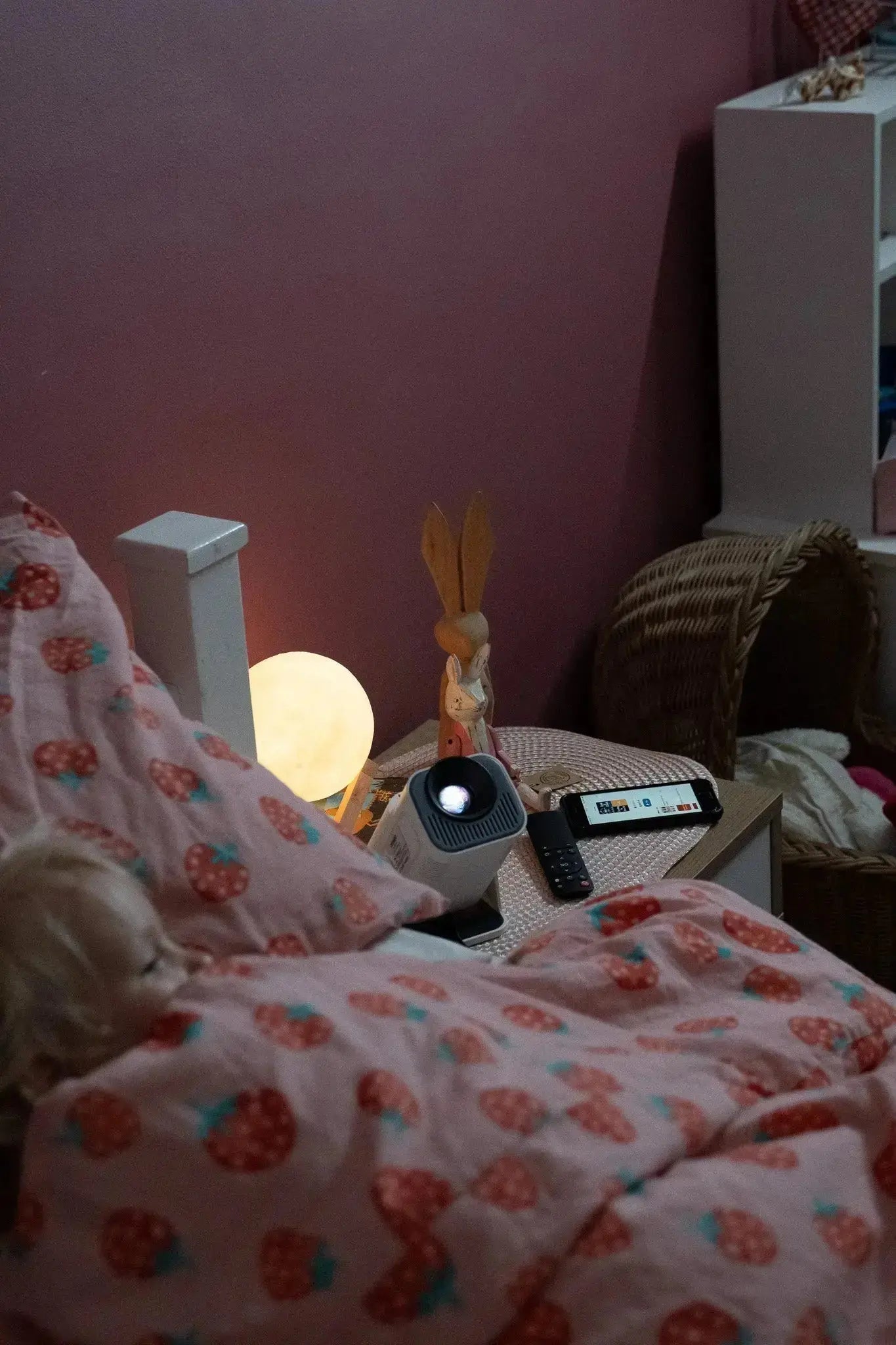
Audio visual learning for toddlers can be a warm, practical way to support early language skills at home, especially when it is guided by you, kept short, and paired with real conversation.
Audio visual learning for toddlers
Instead of treating media as background noise, this approach uses sound plus simple visuals to help children connect words to meaning. When a child sees “kitchen” while hearing the word, then uses it in a sentence with you, language can become easier to revisit and understand.
Key takeaway: Audio visual learning works best when it is interactive, short, and followed by simple talk that invites your toddler to respond.

What the preschool study observed
A qualitative preschool study explored how audio-visual media supported language growth in young children. Educators used themed videos, including environment and household topics, and then encouraged children to retell what they saw. Teachers reported improvements in vocabulary, understanding instructions, and expressing ideas in simple sentences, with higher engagement and less boredom during learning. You can view the study here: The Use of Audio-Visual Media to Improve Early Childhood Language Development.
While this was not a large clinical trial, it matches what many parents notice. Audio visual learning for toddlers can make words feel more concrete because children can see and hear the same idea at the same time, then practice it through speech.
A quick checklist for choosing the right content
If you want audio visual learning for toddlers to support language, not distract from it, the content matters. The goal is clarity, repetition, and calm pacing.
- Short: 2 to 6 minutes per clip is plenty for most toddlers.
- Simple themes: home, animals, food, weather, feelings, routines.
- Clear narration: slow, friendly voice and simple sentences.
- Low clutter visuals: fewer fast cuts and fewer competing elements.
- Repeatable: the same words show up again across lessons.
If you want parent-friendly guidance on media quality and conversation, the American Academy of Pediatrics emphasizes looking beyond rigid time limits and focusing on content, context, and co-viewing. That mindset fits well with audio visual learning for toddlers when you stay involved. AAP guidance on the “5 C’s” of media use can help you evaluate what your child is watching.

Turn watching into talking with a simple method
The biggest difference between passive viewing and audio visual learning for toddlers is what happens after the lesson. The study used retelling, and you can do a toddler-friendly version at home in under two minutes.
- Name it: “That is a window. Window.”
- Point it out: “Can you show me the window?”
- Use it: “The window is open.”
- Invite a response: “Is your window open or closed?”
- Celebrate effort: “Nice talking. I heard you try.”
This is also a good moment to watch for age-appropriate language patterns. If you want ideas for building sentences through everyday chat, the NHS has helpful examples for toddlers, including following your child’s lead and talking about what they are doing. NHS tips for chatting and building sentences can give you easy prompts.
Where Ozmotic Learning fits into calm, guided, repeatable learning
Many families want the benefits of audio visual learning for toddlers without relying on handheld screens at night. That is where a calm projection-based approach can feel more aligned with bedtime. The Ozmotic Learning projection-based learning tool is designed for gentle, parent-led routines, with lessons that can be repeated across nights to support vocabulary, phonics, and early concepts.
To keep the experience fresh while still reinforcing language, explore the lesson library on the Content page. If you want the supporting rationale behind calm bedtime learning and how repetition helps, visit Learn the Science.

A routine that supports speech without overstimulation
Audio visual learning for toddlers works best when it is part of a predictable rhythm. You can keep it short and still create useful language practice, especially if you repeat themes across the week.
| Time | Routine step | What your child practices | Example prompt |
|---|---|---|---|
| Early evening | Talk during tidy-up | Listening and simple instructions | “Pick up the car, then the book.” |
| After bath | Short guided lesson | Vocabulary with visuals | “Show me the chair.” |
| Right after | Talk-back minute | Sentence building | “The chair is big.” |
| Lights low | Story or prayer | Turn-taking and calm attention | “What happened first?” |
This pattern keeps audio visual learning for toddlers structured and calm, and it gives you a clear stop point so the routine does not drift into extra stimulation.
Common mistakes and simple fixes
Too much, too fast: if your child becomes jumpy or restless, shorten the lesson and choose slower content. Audio visual learning for toddlers should feel settling, not exciting.
No conversation afterwards: if you skip the talk-back moment, you lose a big part of the language value. Keep one or two questions ready so it stays easy.
Too many new words at once: pick 3 to 5 target words for the week. Repeat them across daily life, not only during the guided lesson.
Using media to replace interaction: this is a tool, not a substitute. Audio visual learning for toddlers works best when you are nearby, watching and responding.

If you want help choosing the right starting point
If you are unsure which lessons match your child’s learning stage or you want to build a calmer routine that supports speech and sleep, reach out here: Contact.
Used well, audio visual learning for toddlers can support vocabulary, comprehension, and early sentence building, while keeping your home routine gentle, predictable, and aligned with how young children learn best.
Share:
Bedtime routine for kids: A science-backed plan that works
Regular sleep schedule for toddlers: Social skills start here