
“My son is 4 years old and LOVES THIS. It keeps him interested the whole time!!”
Blog
Sorting Games for Preschoolers: Color, Shape and Size
Sorting often begins in the middle of ordinary family life. A child may place all the blue socks together, separate the large spoons from the small ones, or notice that two leaves have the same shape. These small moments are...
Read moreabout Sorting Games for Preschoolers: Color, Shape and Size
Story Sequencing for Kids: Learning First, Next, and Last at Home
Have you ever asked your child what happened in a story, only to hear the ending first and the beginning somewhere in the middle? That is completely normal. Learning to place events in order takes practice, and a familiar book...
Read moreabout Story Sequencing for Kids: Learning First, Next, and Last at Home
Syllable Games for Preschoolers: Simple Ways to Clap and Count Word Parts
Have you ever clapped the beats in your child’s name? “Em-i-ly” has three claps, while “Sam” has one. Without realizing it, you have already introduced the idea of syllables. Names, favorite foods, picture books and things around the house all...
Read moreabout Syllable Games for Preschoolers: Simple Ways to Clap and Count Word Parts
Kindergarten Homeschool Schedule: A Flexible Daily Rhythm
A kindergarten homeschool schedule does not need to fill every hour. Most families need something simpler: a familiar rhythm that shows everyone what might happen next without making the whole day feel fixed. Breakfast may lead into a book, followed...
Read moreabout Kindergarten Homeschool Schedule: A Flexible Daily Rhythm
Reading Readiness Skills for Preschoolers: What Families Can Practice at Home
Children begin getting ready to read before they can read a word on their own. It happens while you share a book, sing together, talk about a picture or spot their name on a label. These everyday moments help preschoolers...
Read moreabout Reading Readiness Skills for Preschoolers: What Families Can Practice at Home
How to Restart a Learning-at-Home Routine After the School Break
Back-to-school season has a way of changing the rhythm of the whole house. Whether your child is starting kindergarten, returning after summer, or beginning a new homeschool term, familiar routines can make the transition feel a little less hectic. You...
Read moreabout How to Restart a Learning-at-Home Routine After the School Break
Off to Kindergarten - What to Review Before School Starts: 5 Learning Areas to Explore at Home
Starting kindergarten can bring a funny mix of excitement, nerves, new shoes, missing lunchboxes, and plenty of questions. Even children who are eager to begin may feel unsure about a new teacher, a different classroom, or a routine they have...
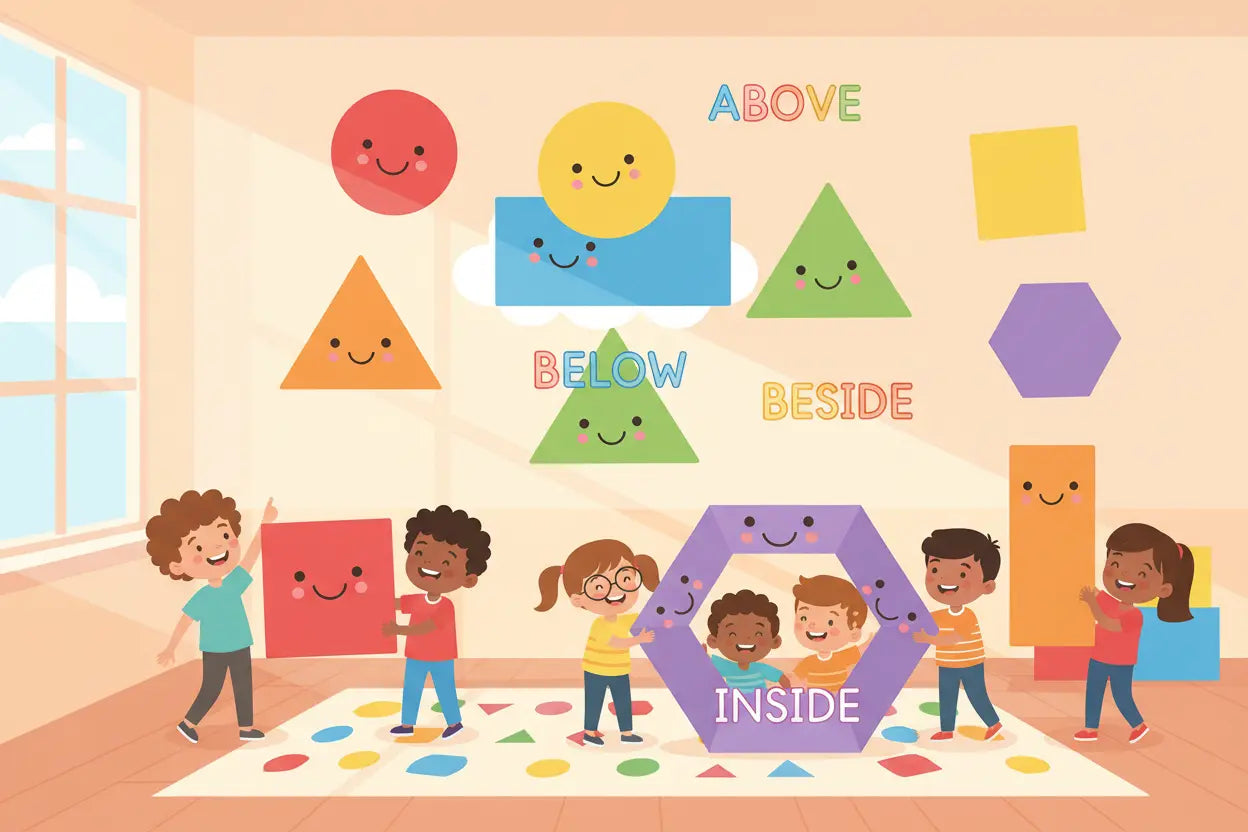
Shapes for Preschoolers: Simple Ways to Explore Shapes and Spatial Words
Shapes are already part of your child’s day. The plate at breakfast is round, a favorite book may be rectangular, and the blocks on the floor can have squares, triangles, and circles. Exploring these familiar objects is one of the...
Read moreabout Shapes for Preschoolers: Simple Ways to Explore Shapes and Spatial Words
Counting for Preschoolers: How to Build Number Sense Through Everyday Routines
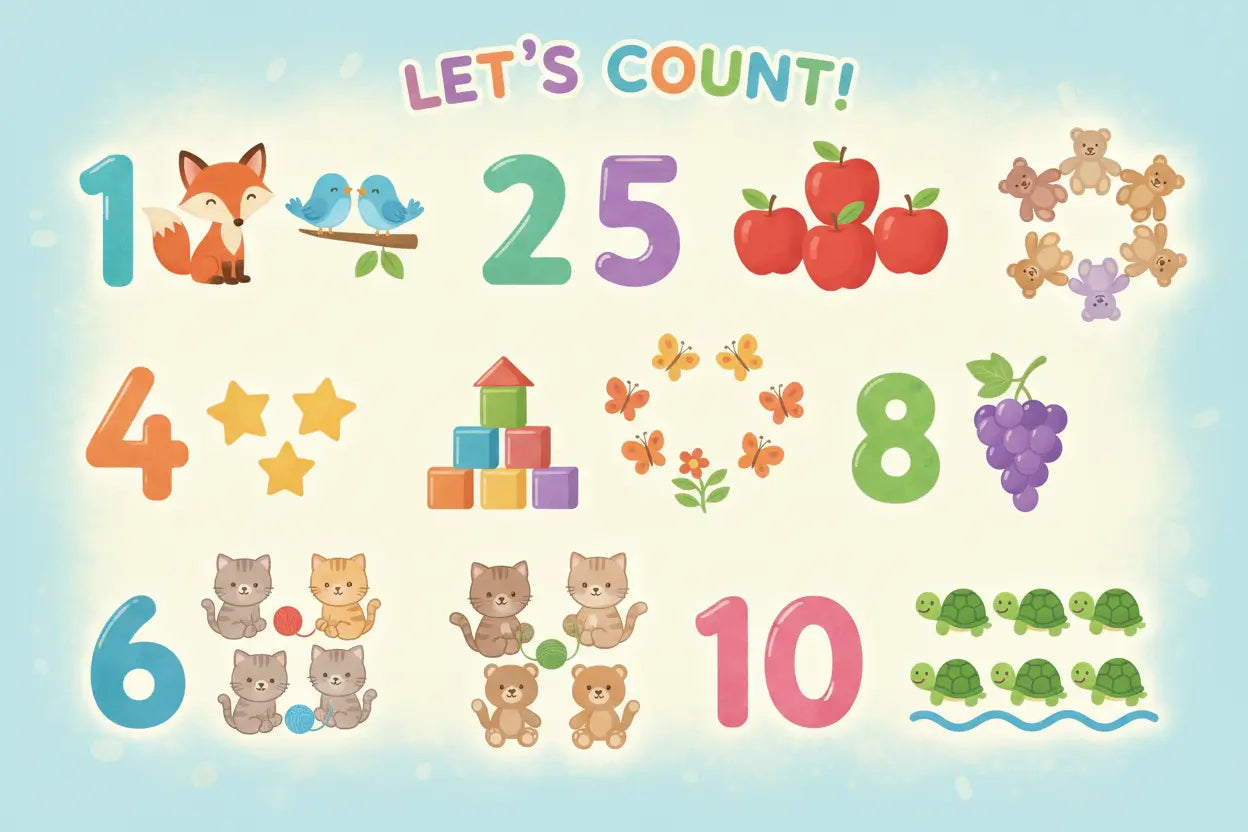
Counting often begins in the smallest family moments. One sock, two shoes, three strawberries, or four steps to the front door can introduce numbers in a way that feels natural and useful. When you bring counting into routines your child...
Read moreabout Counting for Preschoolers: How to Build Number Sense Through Everyday Routines