
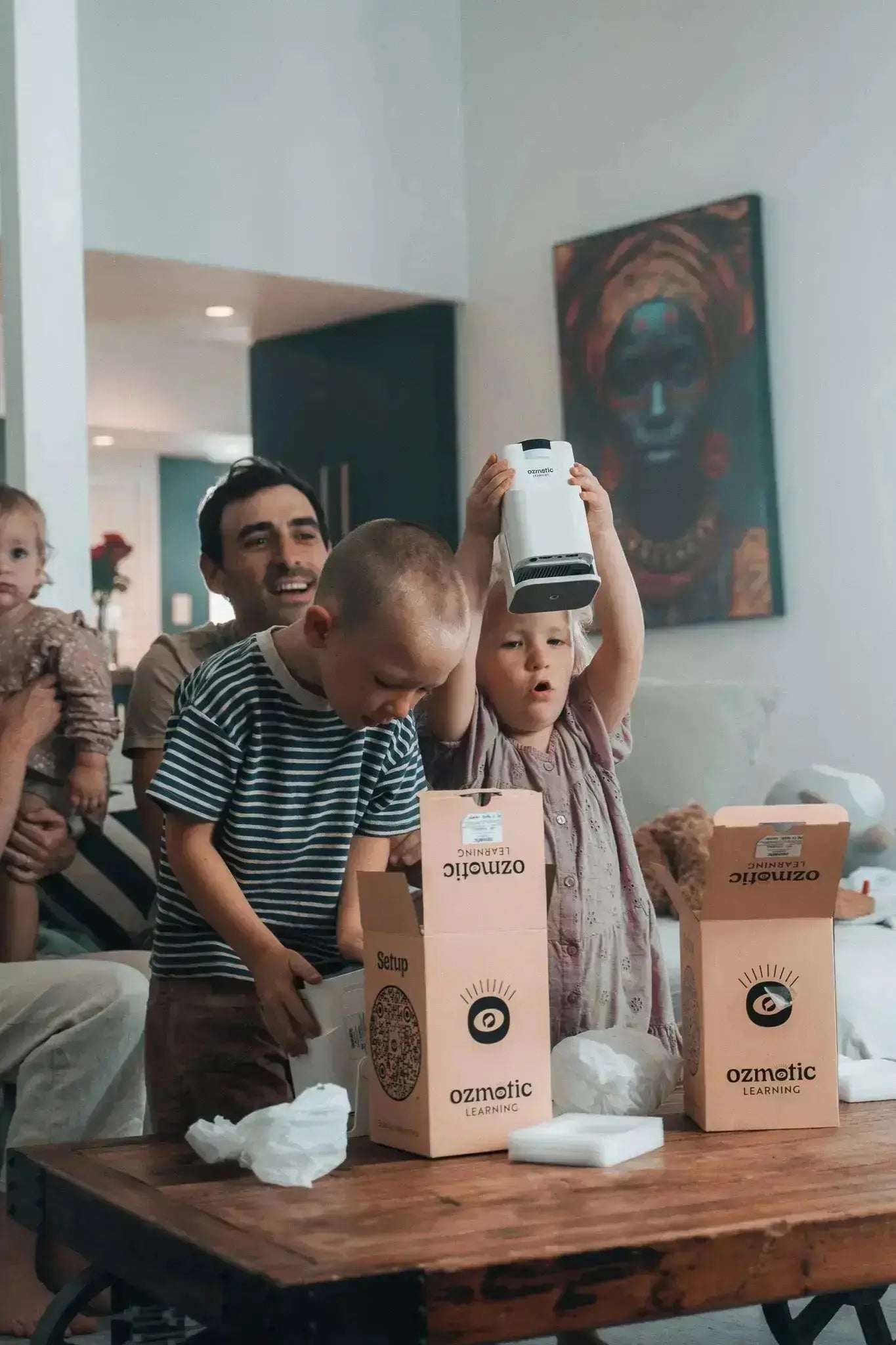
Early childhood neuroplasticity is one reason the early learning years matter so much. During this period, a young child’s brain is highly responsive to experience. Repeated, meaningful input can help strengthen the pathways that are used often, while less-used connections may gradually fade. For parents, that means simple daily routines can support how foundational skills begin to take root.

Key takeaway: In the early learning years, the brain is especially responsive to repeated, calm, and meaningful experiences.
Early childhood neuroplasticity
This does not mean parents need to create intense academic schedules. It means the opposite, in many ways. A calm, consistent routine with repeated exposure to letters, sounds, numbers, stories, and concepts can support early learning while early childhood neuroplasticity makes the brain especially open to repeated experience.
What neuroplasticity means in the early years
Neuroplasticity is the brain’s ability to change in response to experience. In early childhood, that ability is especially active. Research from Tierney and Nelson explains that the young brain forms a large number of synaptic connections, then keeps and strengthens the ones that are used most often. You can read the paper here: Brain Development and the Role of Experience in the Early Years.
Knudsen’s work on sensitive periods adds an important layer. Some windows of development are biologically timed, which means certain experiences may have a stronger influence earlier in life than they would later on. Galván also highlights how developing brains are highly plastic and responsive to structured input during early childhood.
In practical terms, early childhood neuroplasticity helps explain why repeated exposure matters so much during the early learning years. A child does not usually learn a concept because they heard it once. They learn because they heard it again, saw it again, practiced it again, and encountered it in a calm, supportive setting.
Why the early learning years matter so much
The early learning years are not important because children need pressure. They are important because the brain is doing rapid construction. Early childhood neuroplasticity helps explain why neural pathways related to language, sound recognition, early literacy, memory, attention, and emotional regulation are being shaped by everyday experiences.
Repeated use helps the brain decide what to keep. That is why small routines can have a meaningful effect over time. A short bedtime story, repeating phonics sounds, counting objects during play, or revisiting the same foundational concepts each evening may seem simple, but these are exactly the kinds of experiences that can help strengthen learning pathways.

| Brain principle | What it means | Why it matters at home | Example |
|---|---|---|---|
| Synapse overproduction | The young brain creates many more connections than it will keep | Experience helps shape which pathways remain strong | Repeated exposure to letters and sounds |
| Sensitive periods | Some skills are shaped strongly during early childhood | Early routines can support important foundations | Language-rich bedtime routines |
| Experience-dependent learning | The brain strengthens what it uses often | Consistency matters more than intensity | Nightly review of simple concepts |
| Multisensory input | Children learn through seeing, hearing, and repeated engagement | Layered exposure can support learning | Visual lessons plus spoken words before sleep |
What parents should focus on instead of “doing more”
When parents hear about brain development, it can create pressure. But early childhood neuroplasticity is not a call to overload your child. It is a reminder that simple, repeated, low-stress learning experiences matter. The goal is not more content. The goal is better conditions for calm, repeatable learning.
A few useful principles:
- Keep it calm: children often learn best when they feel safe and connected.
- Repeat key foundations: letters, sounds, vocabulary, numbers, and simple concepts benefit from revisiting.
- Use routines: predictable moments help learning happen without resistance.
- Layer the senses: seeing and hearing content together can make it easier to process and remember.
- Think small and steady: short daily input often works better than occasional long sessions.
This is one reason a calm bedtime routine for kids can do more than help evenings feel smoother. It can also create a stable learning environment where repeated exposure becomes natural.
How bedtime fits into early childhood neuroplasticity
Bedtime is useful because it repeats every day. It is one of the few moments in family life that can become both predictable and calm. For many children, that makes it a helpful time for gentle review of foundational concepts, especially when early childhood neuroplasticity makes repeated exposure more useful than performance pressure.
That is why bedtime learning can be helpful when done gently. Instead of asking a tired child to “work harder,” parents can build a rhythm that feels nurturing. Short, familiar learning moments before sleep can support repetition without turning the evening into another battle. This aligns closely with what Ozmotic Learning has already explored in bedtime learning for kids and in its broader Learn the Science approach.
It also connects naturally with spaced repetition for kids. When the brain encounters the same building blocks across multiple calm sessions, learning can become more familiar and easier to revisit over time.
Where Ozmotic Learning fits into structured repetition
Ozmotic Learning was intentionally built around this principle. Early childhood neuroplasticity tells us that the brain is especially responsive to repeated experience during the early learning years. So rather than relying on one-off bursts of learning, Ozmotic Learning supports short, calm, repeated exposure to foundational material during a familiar bedtime window.

The Ozmotic Learning projection-based learning tool helps parents create gentle learning moments through wall or ceiling projection that can fit naturally into the evening routine. The Content library makes it easier to revisit categories and concepts that children need again and again. This is not about cramming. It is about helping families build a repeatable rhythm around the way young brains often learn during a period of early childhood neuroplasticity.
A simple home framework for the early learning years
If you want to apply the science of early childhood neuroplasticity without overcomplicating life, this is a strong place to begin:
- Choose one calm daily slot: bedtime works well because it is already part of the family rhythm.
- Focus on foundations: letters, phonics, numbers, vocabulary, shapes, or simple concepts.
- Repeat more than you rotate: do not worry about novelty every night.
- Use audio and visual input together: this can support attention and recognition.
- Keep sessions short: consistency matters more than length.
Parents often underestimate how useful “boring” repetition can be when it is calm and regular. But the science suggests that repeated experience is one way the brain builds important foundations during the early years, which is the core idea behind early childhood neuroplasticity.
The value of small nightly inputs
One of the most reassuring parts of this research is that meaningful progress does not always look dramatic. A child may seem to absorb only a little each night, then later show recognition, recall, or confidence. That is often how early learning works. The brain is not only reacting in the moment. It is gradually strengthening the pathways that repeated experience has told it are important.
Early childhood neuroplasticity reminds parents that these early years are worth protecting and using well. Not with pressure, but with intention. Not with endless stimulation, but with repeated, supportive exposure to the basics that matter most.
Share:
Audio Visual Learning for Toddlers: Build Language Through Calm Play
Bedtime Learning for Kids: Why Sleep Helps New Learning Stick